





Affordable digital solutions help modern businesses leverage technology, optimize operations, and compete effectively in the digital age.

In this rapidly evolving digital era, modern businesses face significant challenges in remaining relevant and competitive. Affordable digital solutions have emerged as the ideal answer, enabling companies of all sizes to leverage advanced technology without the burden of high costs. Below Affordable Tech Insights we discuss how these innovations optimize operations and strengthen competitiveness.
Introduction to Affordable Digital Solutions
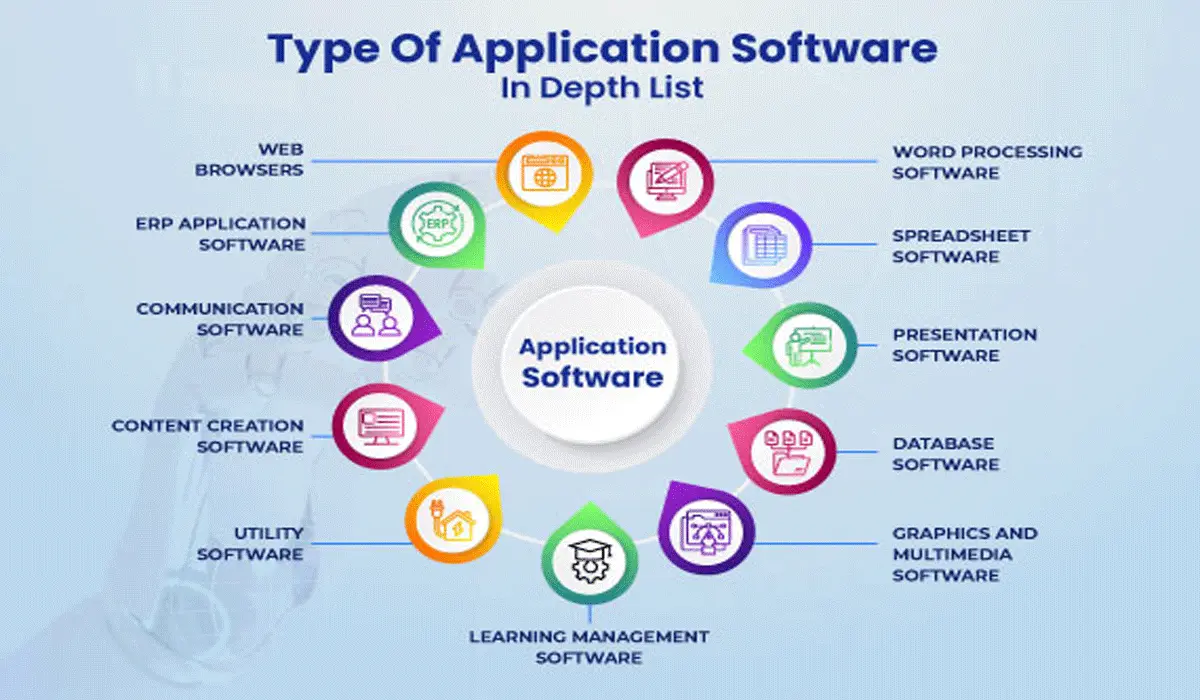
Affordable digital solutions refer to cloud-based platforms and tools such as subscription-based management software, automated applications, and analytical tools designed for small and medium-sized businesses (SMEs). They often cost only tens of thousands of rupiah per month, significantly less than traditional infrastructure investments. These innovations utilize the Software as a Service (SaaS) model, where users pay for what they need without large licensing fees.
The primary benefit is accessibility for businesses with limited budgets. In Indonesia, for example, platforms like Google Workspace or local applications like Mekari have helped thousands of SMEs transition to digital operations. This not only reduces operational costs by up to 40% but also increases efficiency through real-time data integration.
Optimizing Daily Business Operations
Operational optimization starts with automating routine tasks like inventory management and accounting using tools like QuickBooks or Accurate Online. Retail businesses, for example, can automatically track stock, reducing human error by up to 80% and preventing stockouts. Integration with e-commerce platforms like Shopee or Tokopedia further exacerbates supply chain issues.
Furthermore, these solutions support team collaboration through apps like Slack or the free version of Microsoft Teams. Employees can communicate across locations, reducing face-to-face meeting time and increasing decision-making speed. Data from McKinsey shows that companies that adopt digital storage experience a 20-30% increase in operational efficiency.
Also Read: Empower Your Business with Smart, Cost‑Effective Tech Solutions
Leveraging Technology for Business Innovation

Technologies like AI and machine learning are now available through affordable APIs from Google Cloud or the AWS Free Tier, enabling businesses to predict customer trends. Local restaurants can use chatbots for automated ordering, increasing sales by up to 25% without additional staff. This transforms customer data into valuable insights for personalized service.
Simple big data analytics through tools like Google Analytics helps analyze consumer behavior for free. Online fashion businesses, for example, leverage AI to predict seasonal trends, optimize inventory, and reduce waste. A Gartner report projects that 85% of businesses using basic AI will outperform their competitors by 2025.
Effective Competitive Strategy in the Digital Era
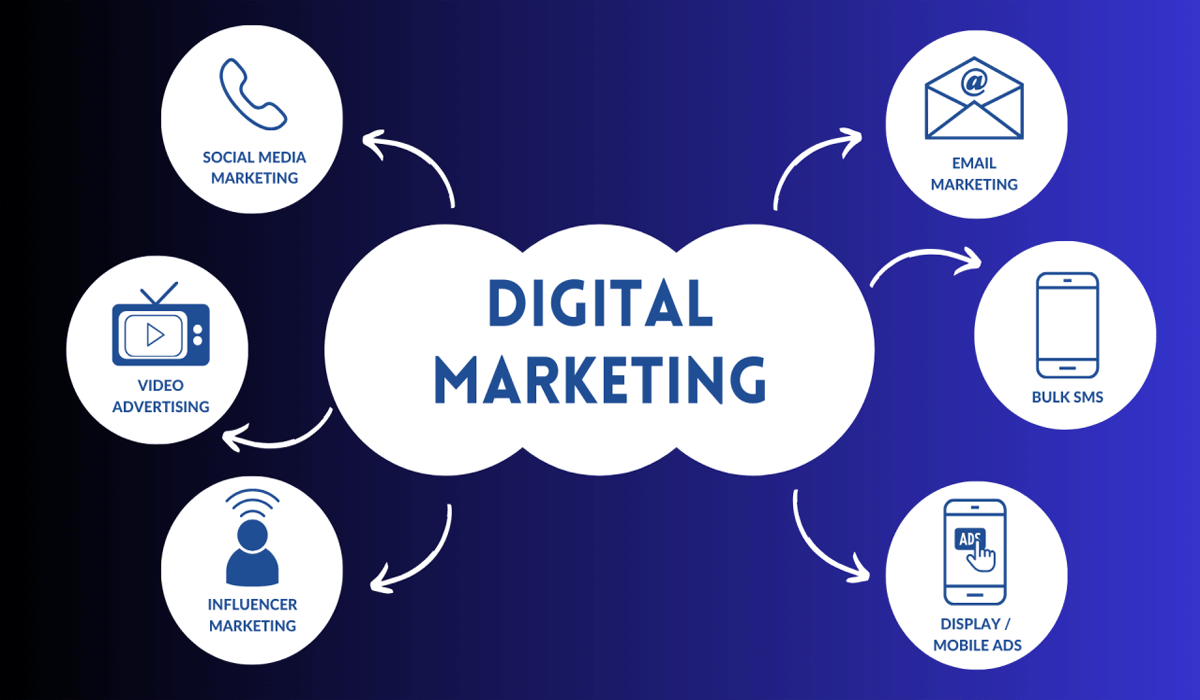
To compete, businesses leverage SEO and low-cost digital advertising through Google Ads or Facebook Ads Manager, reaching millions of audiences with a daily budget of IDR 100,000. A culinary SME in Jakarta successfully increased its turnover by 50% through organic content on Instagram, combined with analytics for precise targeting.
Collaborating with digital marketplaces expands its reach without new physical stores. Platforms like Gojek or Grab for Business provide affordable APIs for logistics integration, enabling fast and competitive delivery. As a result, small businesses can compete with giants like large e-commerce platforms with differentiated local services.
Long Term Economic Benefits
Affordable digital solutions provide a quick return on investment (ROI), often within months. Small businesses that switch to free tools like Trello or Canva report saving up to IDR 50 million per year from reduced paperwork and administrative energy. Data from Bank Indonesia shows that digital SMEs are growing 15% faster than traditional ones.
Image Information Source:
First Image from: entrepreneur.com
Second Image from: linkedin.com