



Below, TEACHING will provide some explanations regarding Reinventing Learning Systems for an Innovation-Driven Future.
The Power of Data in Modern Decision-Making
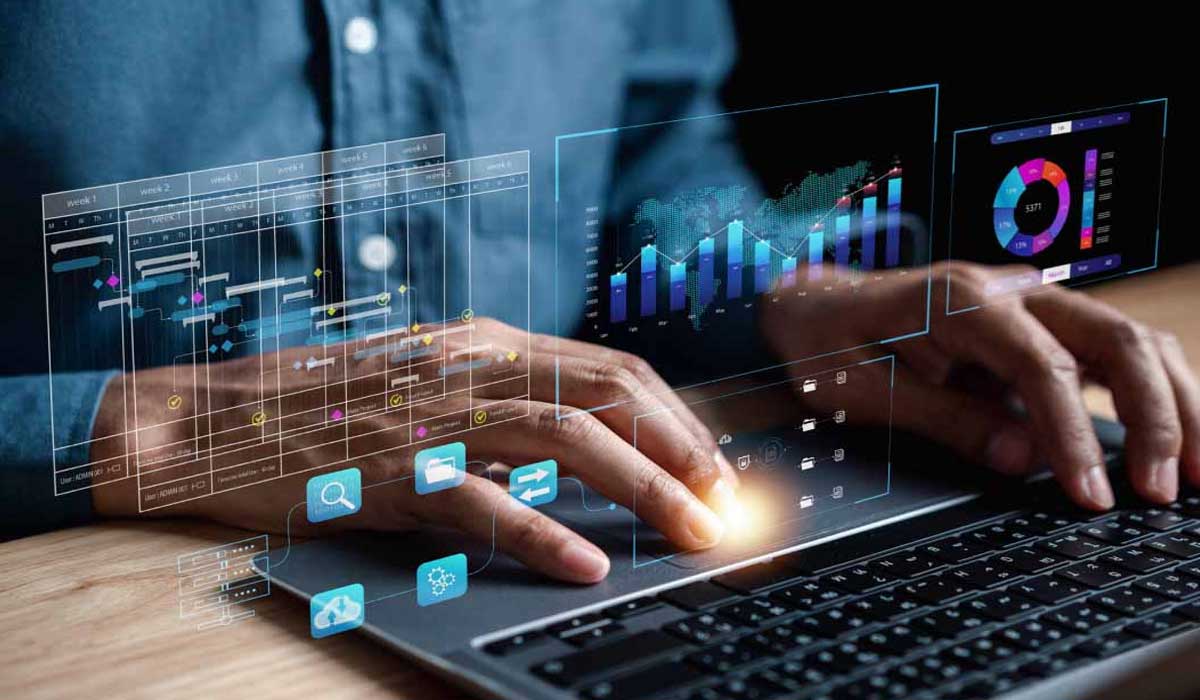
In today’s fast-paced digital world, data has become the cornerstone of effective decision-making. Businesses and consumers alike are relying on data-driven insights to make informed choices. From online shopping habits to financial planning, understanding trends and patterns in data allows individuals to predict outcomes more accurately and make smarter decisions. The sheer volume of information available today is staggering, yet those who can harness it effectively gain a significant advantage.
Data-driven strategies help consumers move beyond intuition-based decisions. By analyzing past behavior, preferences, and market trends, individuals can anticipate potential risks and benefits. For example, e-commerce platforms use data analytics to recommend products tailored to a consumer’s preferences, making the shopping experience more efficient and personalized. This level of precision empowers smart consumers to optimize their choices in every aspect of life.
Building Smart Strategies for Everyday Life
Creating effective strategies starts with setting clear goals and objectives. For consumers, this might include managing a budget, planning investments, or choosing the right products and services. A data-driven approach involves gathering relevant information, evaluating alternatives, and forecasting potential outcomes. By doing so, consumers can design strategies that maximize benefits while minimizing risk.
Moreover, smart strategies are dynamic and adaptable. Life is unpredictable, and relying solely on rigid plans can lead to missed opportunities. Using real-time data, consumers can adjust their approaches based on new information, ensuring decisions remain relevant and effective. Whether it’s tracking spending habits, monitoring energy consumption, or managing health routines, the ability to adapt strategies through data insights leads to better results over time.
Read Also: 4 Ways to Increase Your Shoe Sales Business Turnover
Technology as a Strategic Ally

The rise of artificial intelligence (AI), machine learning, and big data analytics has revolutionized how consumers approach decision-making. Tools that once were exclusive to large organizations are now accessible to the general public. Applications that track spending, monitor investment trends, or even analyze lifestyle patterns provide actionable insights at the touch of a button. Technology allows consumers to make data-informed decisions that were once only possible with expert guidance.
Beyond convenience, these tools also enhance accuracy and efficiency. Algorithms can identify patterns and correlations that humans might overlook, offering deeper insights into complex choices. For example, AI-driven financial planners can suggest optimal savings or investment strategies based on an individual’s unique situation. By leveraging technology, consumers can build smarter strategies that align with their goals, all while saving time and reducing uncertainty.
The Future of Data-Driven Consumerism
As data becomes increasingly central to everyday life, the concept of consumer empowerment continues to evolve. Consumers who embrace data-driven approaches gain a competitive edge, making decisions that are proactive rather than reactive. In the future, integrating data literacy into daily routines will become essential, helping individuals navigate an increasingly complex and connected world.
However, responsible use of data is equally important. Consumers must be aware of privacy concerns, data security, and ethical considerations. Smart strategies should balance the benefits of data with the need to protect personal information. By understanding both the power and limitations of data, consumers can confidently build a future where their decisions are informed, effective, and secure.
For the latest and most interesting related information, you can also click the TEACHING link.
Image Source:
First Image from techincheep.com
Second Image from mastercard.com