





Photovoltaic technology has made remarkable leaps with the introduction of next-generation materials like perovskite solar cells.
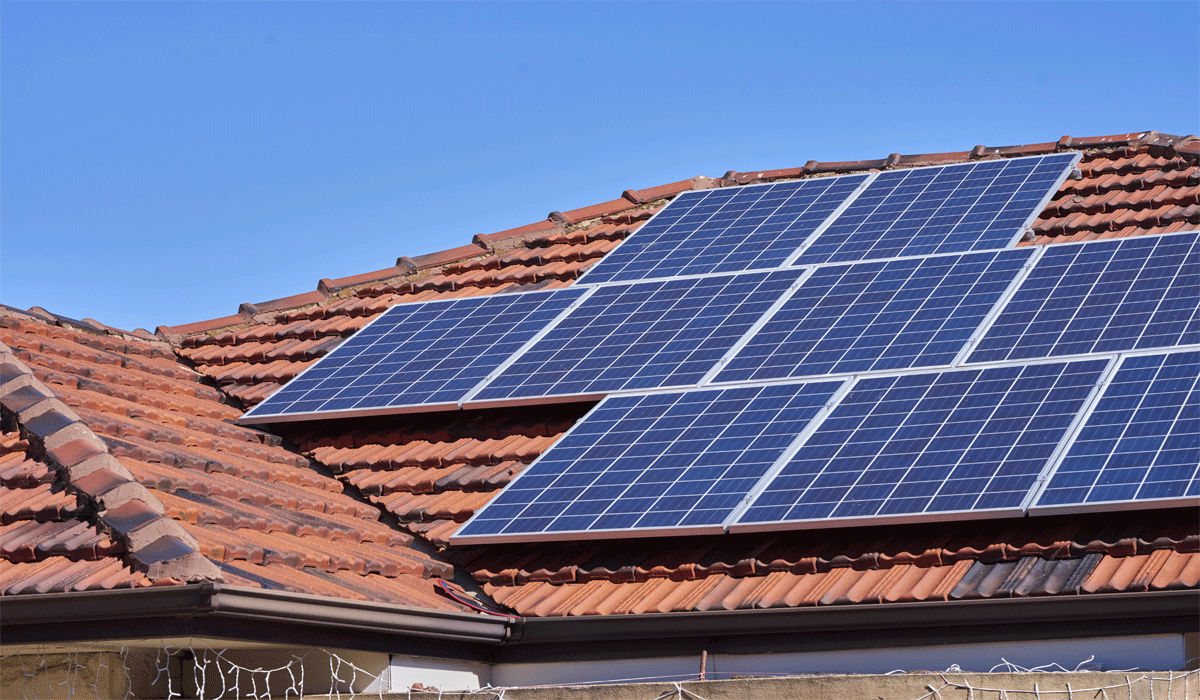
Unlike traditional silicon panels, perovskite offers higher efficiency rates, lightweight construction, and flexible applications. Researchers have developed tandem cells that layer perovskite with silicon, achieving conversion rates exceeding 30%, which could drastically reduce the cost per watt of solar energy. This innovation allows panels to be integrated into surfaces beyond rooftops, including building facades, windows, and even portable devices.
Beyond efficiency, these advanced materials promise sustainability. Perovskite cells require less energy to manufacture, emit fewer greenhouse gases, and are easier to recycle compared to conventional panels. As a result, homes and commercial buildings could benefit from solar installations that are both environmentally friendly and economically viable.
Below, PHOTOVOLTAIC SYSTEMS will provide some explanations regarding Reinventing Learning Systems for an Innovation-Driven Future
AI-Integrated Smart Solar Systems
The integration of artificial intelligence in photovoltaic systems has transformed how solar energy is harvested and utilized. Smart panels equipped with AI can track the sun’s position automatically, adjust angles for optimal light capture, and monitor real-time performance to detect inefficiencies or potential faults. AI also optimizes energy storage and distribution, ensuring that excess power is stored or redirected intelligently to meet household or grid demands.
This technology brings unprecedented autonomy to solar energy systems. Homeowners and businesses can now rely on solar installations that essentially self-manage, reduce energy waste, and maintain high efficiency even under variable weather conditions. The intelligent monitoring also supports predictive maintenance, preventing unexpected downtime and extending the life of the photovoltaic system.
Modular And Flexible Panel Designs For Diverse Applications
Modern photovoltaic systems are no longer confined to rigid rooftops. Modular and flexible solar panels offer portability, adaptability, and ease of installation in unique architectural or remote environments. For example, rollable perovskite sheets can be deployed in temporary shelters, outdoor events, or disaster zones, providing reliable energy on demand. Some systems even employ robotic platforms that reposition panels to track sunlight dynamically, maximizing energy capture.
These innovations create new possibilities for integrating solar power into urban and rural spaces alike. Architects and designers are embracing building-integrated photovoltaics (BIPV), which combine energy generation with functional building elements. From transparent window panels to curved surfaces, solar technology is becoming both aesthetically pleasing and highly functional, expanding the role of renewable energy in daily life.
Read Also: Why Cybersecurity is the Biggest Tech Challenge Today
Advanced Storage And Smart Inverter Technology
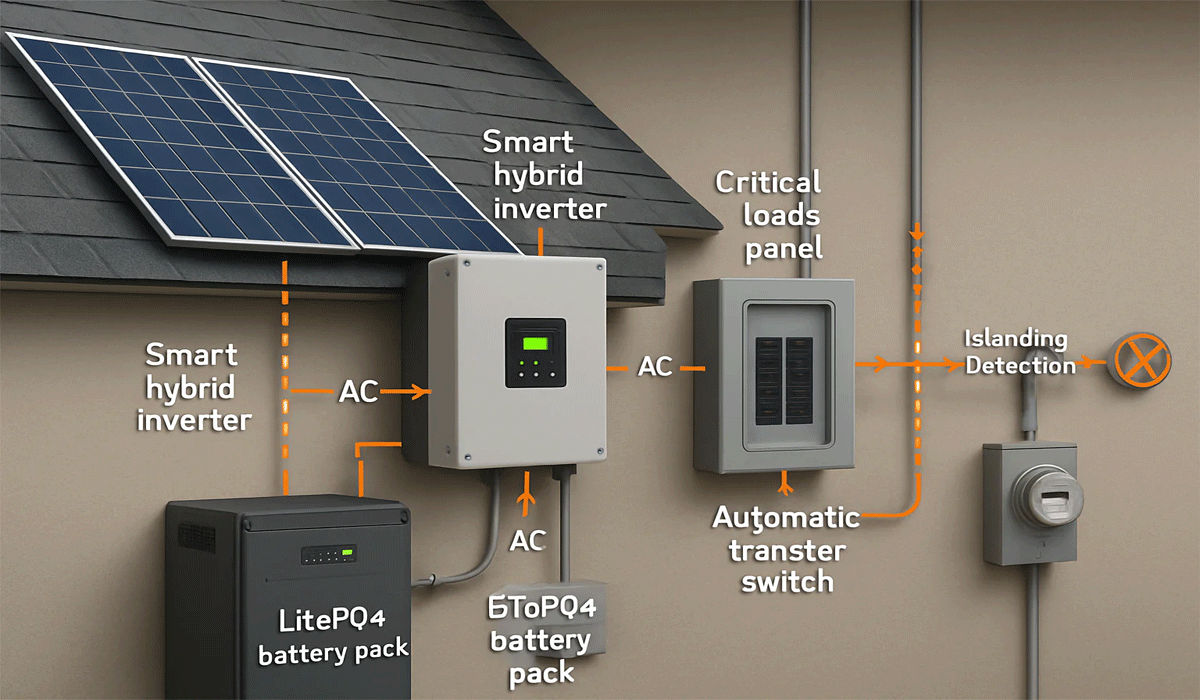
The future of photovoltaic systems is not just about generating power but also managing it effectively. Advanced inverters equipped with semiconductors like Silicon Carbide (SiC) reduce energy loss during conversion and increase system reliability. Coupled with high-efficiency battery storage, these systems can store surplus solar energy and release it when needed, creating greater independence from the electrical grid.
Energy autonomy is particularly crucial in regions with unstable grids or frequent power outages. Modern systems allow households and businesses to operate off-grid while maintaining consistent energy supply. By integrating smart monitoring, predictive algorithms, and high-capacity storage, photovoltaic systems are transforming into fully independent power units capable of self-sustaining operation.
Conclusion
The evolution of photovoltaic systems reflects a future where solar energy is smarter, stronger, and more independent than ever. Innovations in advanced materials, AI integration, flexible designs, and intelligent storage are making solar power highly efficient, adaptable, and user-friendly. This progress positions photovoltaic technology as a cornerstone of sustainable energy strategies worldwide, capable of addressing environmental challenges while offering economic benefits.
As these technologies continue to mature, solar energy will become increasingly accessible, reliable, and integrated into everyday life. The era of fully autonomous photovoltaic systems is no longer a distant dream it is unfolding today, promising a cleaner, more resilient, and energy-independent future for communities around the globe.
For the latest and most interesting related information, you can also click the TEACHING link.
Image Source:
First Image from yourhome.gov.au
Second Image from anernstore.com