






Robotics is now transforming global industries, boosting efficiency, precision, and productivity beyond science fiction limits.
From manufacturing floors to healthcare systems and logistics networks, robotics is reshaping how work is done, improving precision, efficiency, and safety while reducing operational costs.
Rather than replacing human roles entirely, modern robotics often works alongside people, enhancing productivity and allowing humans to focus on more complex decision-making tasks.
Automation In Manufacturing Evolution
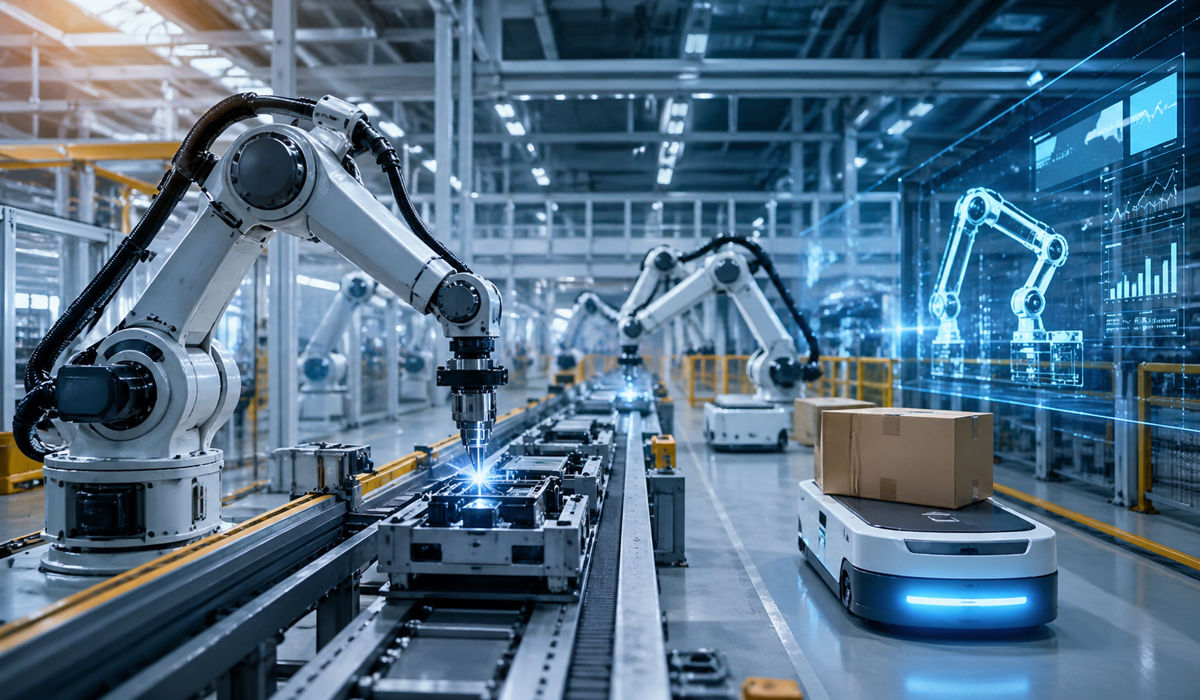
Robotics has become a cornerstone of modern manufacturing, especially in assembly lines where precision and speed are essential. Automated robotic arms now handle repetitive tasks such as welding, packaging, and quality inspection with remarkable consistency and accuracy.
This shift reduces human error and increases production output significantly. Factories can now operate continuously with minimal downtime, leading to higher efficiency and better resource utilization.
Smart Logistics And Warehousing Systems
In logistics, robotics is revolutionizing how goods are stored, sorted, and delivered. Automated guided vehicles and robotic picking systems are increasingly used in large warehouses to streamline operations and reduce delays.
These systems help companies manage inventory more effectively while minimizing labor-intensive tasks. With faster order processing and improved accuracy, businesses can meet growing consumer demands, especially in e-commerce, where speed and reliability are critical.
Also Read: Innovation Without Limits: Affordable Technology for All
Healthcare And Medical Robotics Integration
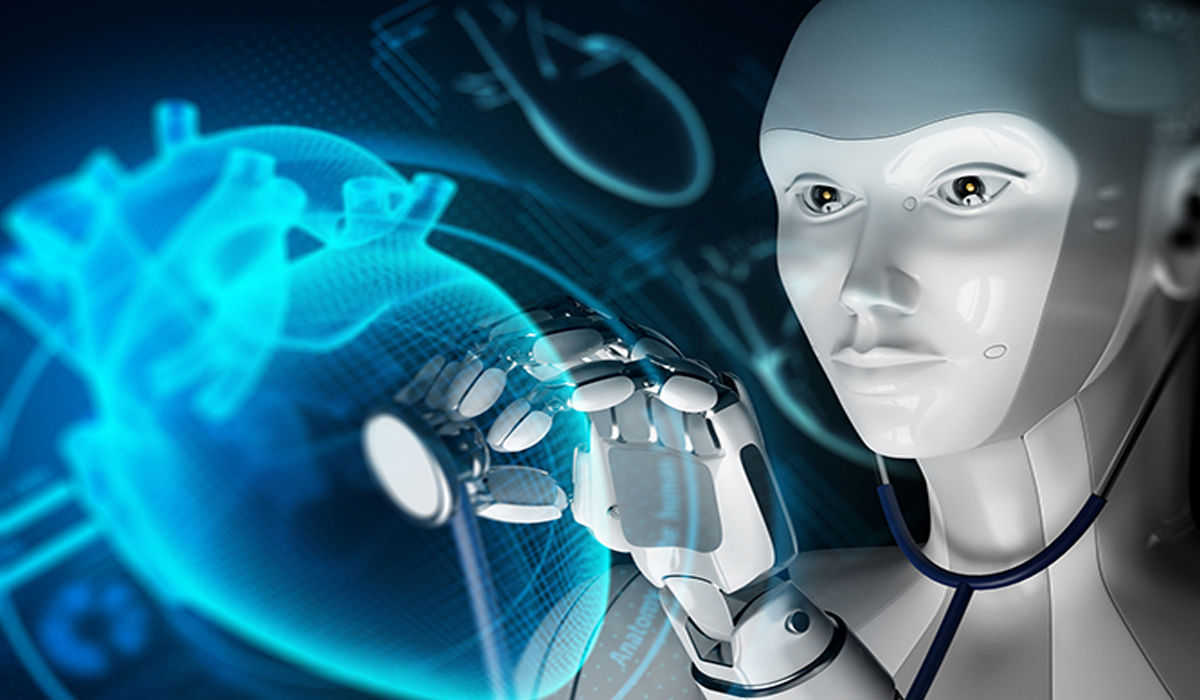
The healthcare sector is also experiencing significant advancements through robotics technology. Surgical robots assist doctors in performing highly precise procedures, reducing risks and improving patient recovery times.
Beyond surgery, robotics is used in rehabilitation, hospital logistics, and even patient care assistance. These innovations support medical professionals by reducing workload pressure while ensuring higher standards of care and safety for patients.
Agriculture And Precision Farming Solutions
Robotics is transforming agriculture by introducing precision farming techniques that optimize resource usage. Automated machines can now plant seeds, monitor crop health, and harvest produce with minimal human intervention.
These technologies help farmers increase yields while reducing waste and environmental impact. By integrating sensors and AI-driven systems, agricultural robotics ensures that crops receive the right amount of water, nutrients, and care at the right time.
Industrial Safety And Hazard Management
One of the most important contributions of robotics in industry is improving workplace safety. Robots are increasingly deployed in hazardous environments such as chemical plants, mining sites, and disaster zones.
By handling dangerous tasks, robots reduce the risk of injury or fatal accidents for human workers. This allows industries to maintain productivity while ensuring that safety standards are consistently upheld in high-risk operations.
Conclusion
Robotics technology is quietly but powerfully reshaping the industrial world. Its influence spans across manufacturing, logistics, healthcare, agriculture, and safety systems, creating smarter and more efficient workflows. While often operating behind the scenes, robotics is becoming essential to modern industrial success.
As technology continues to evolve, the collaboration between humans and machines will likely deepen further. Instead of replacing human roles, robotics will continue to enhance capabilities, drive innovation, and support sustainable growth across industries worldwide.
Image Source:
First Image from: techincheep.com
Second Image from: techincheep.com