


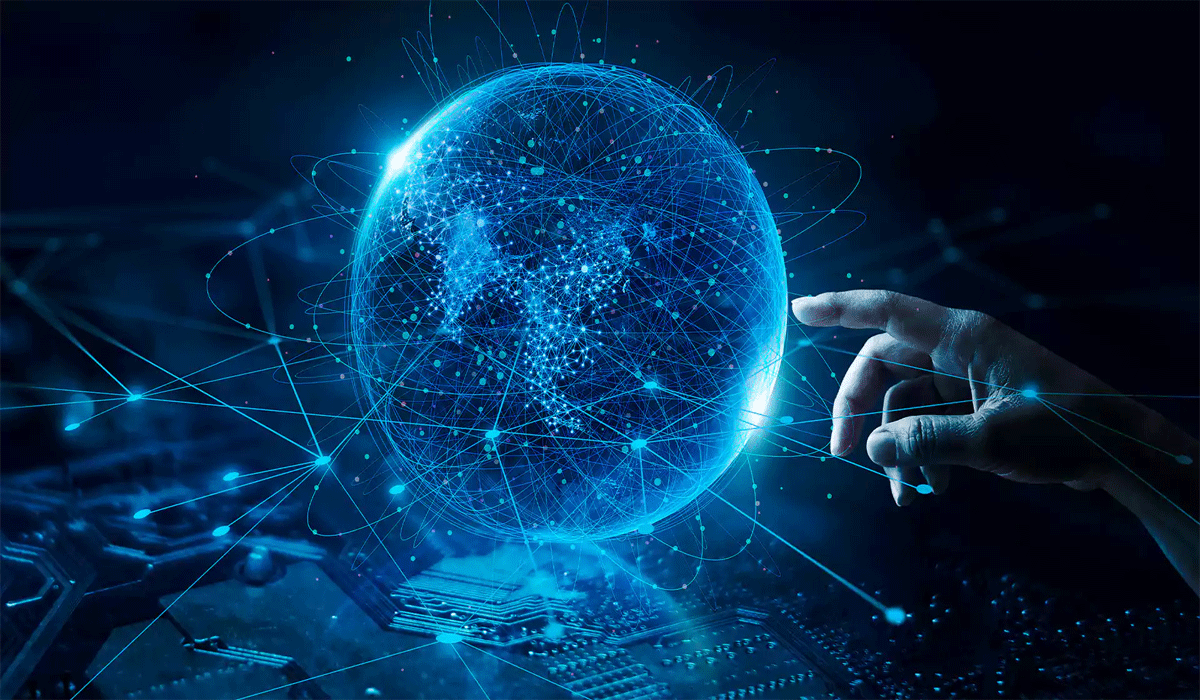
Learn how artificial intelligence is powering today’s tech revolution, transforming industries, and shaping the future of innovation.

Artificial Intelligence and the technological revolution are a combination of digital innovations that are significantly changing various aspects of modern human life. Next, Affordable Tech Insights will discuss how artificial intelligence is driving today’s technological transformation with broad impacts across various industries.
Artificial Intelligence in Industrial Transformation
Artificial intelligence enables companies to process large data sets quickly and accurately, improving operational efficiency and predicting market trends. AI brings intelligent automation that reduces human error and boosts productivity significantly.
Manufacturing, healthcare, and finance industries benefit from AI to enhance services, lower costs, and create innovative solutions. Machine learning helps businesses make data-driven decisions, tackle competitive challenges, and uncover new opportunities that were previously difficult to achieve. The integration of AI is reshaping industrial operations at unprecedented speed.
Digital Innovation and Work Efficiency
Combining AI with digital technologies drives higher efficiency and productivity across sectors. Routine processes can be automated, allowing employees to focus on creative and strategic tasks. AI predicts consumer needs, analyzes user behavior, and adjusts services in real time.
This digital transformation strengthens customer experience while improving internal operational efficiency. With continuous learning and adaptability, organizations remain competitive, delivering faster, more accurate, and innovative solutions to complex problems. The integration of AI ensures businesses can respond effectively to dynamic market demands.
Also Read: Digital Technology Transformation in the Industrial Revolution 4.0
Ethical and Privacy Challenges of AI
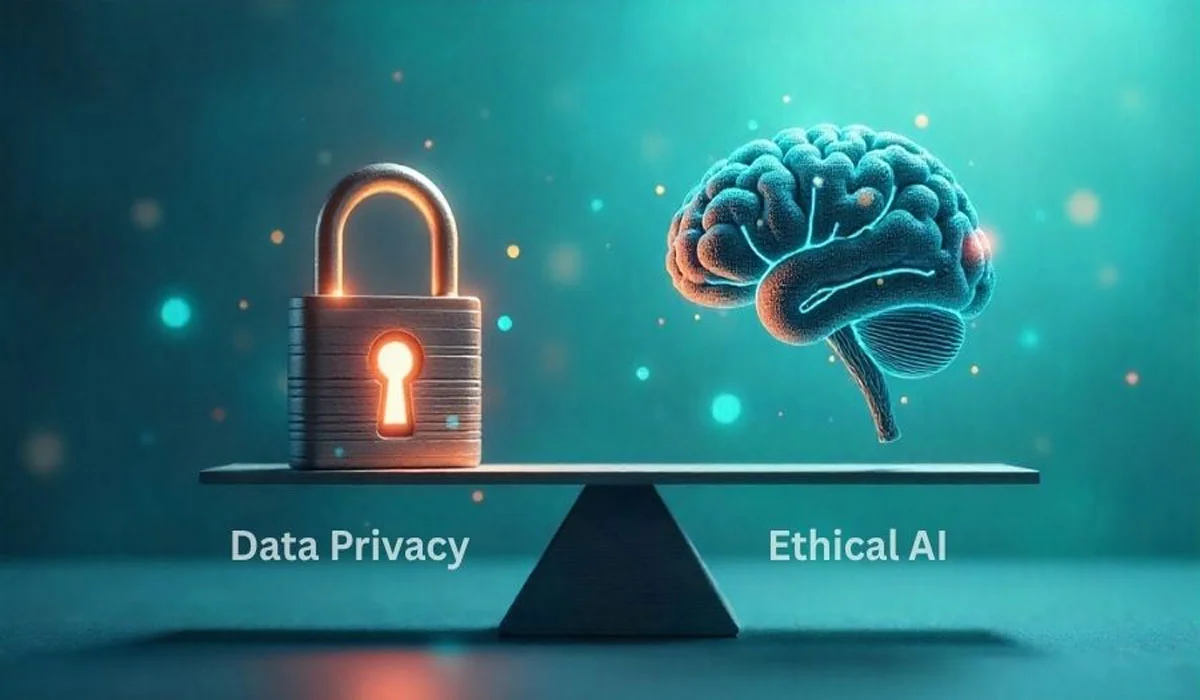
As AI advances, ethical and security challenges must be addressed. Data privacy, algorithmic bias, and potential misuse of technology are key concerns. Organizations must ensure AI is implemented transparently, responsibly, and safely.
Proper regulations and policies are critical to minimize risks. User education and workforce training are also essential for effective AI adoption. By applying ethical standards, AI can maximize its benefits while minimizing negative societal impacts, ensuring technology development aligns with responsible innovation practices.
AI’s Impact on Daily Life
Artificial intelligence is transforming everyday life beyond the industrial sector. Recommendation systems, virtual assistants, autonomous vehicles, and health applications leverage AI to simplify human activities. These technologies provide convenience, efficiency, and more personalized experiences.
AI also helps solve complex problems, such as weather forecasting, medical diagnosis, and energy management. Its presence strengthens human-technology interaction, making daily life more connected, practical, and adaptable to rapid changes in modern society. AI is becoming an integral part of our routines.
The Future of AI-Driven Technology
AI-driven technology is expected to continue evolving, bringing innovations across multiple sectors. AI will become smarter, more adaptive, and capable of making complex decisions independently. Human-machine collaboration will be key to efficiency, creativity, and new innovations. Future trends indicate technology will integrate even more deeply into daily life, reshaping how we work, learn, and interact.
Continued investment and research are crucial to ensure AI’s sustainable, safe, and beneficial impact on all areas of society, fostering a responsible technological revolution. Learn more about how artificial intelligence is shaping the future of technology only at Affordable Tech Insights.
Image Information Source:
- First Image from: dobetter.esade.edu
- Second Image from: www.trustcloud.ai
