


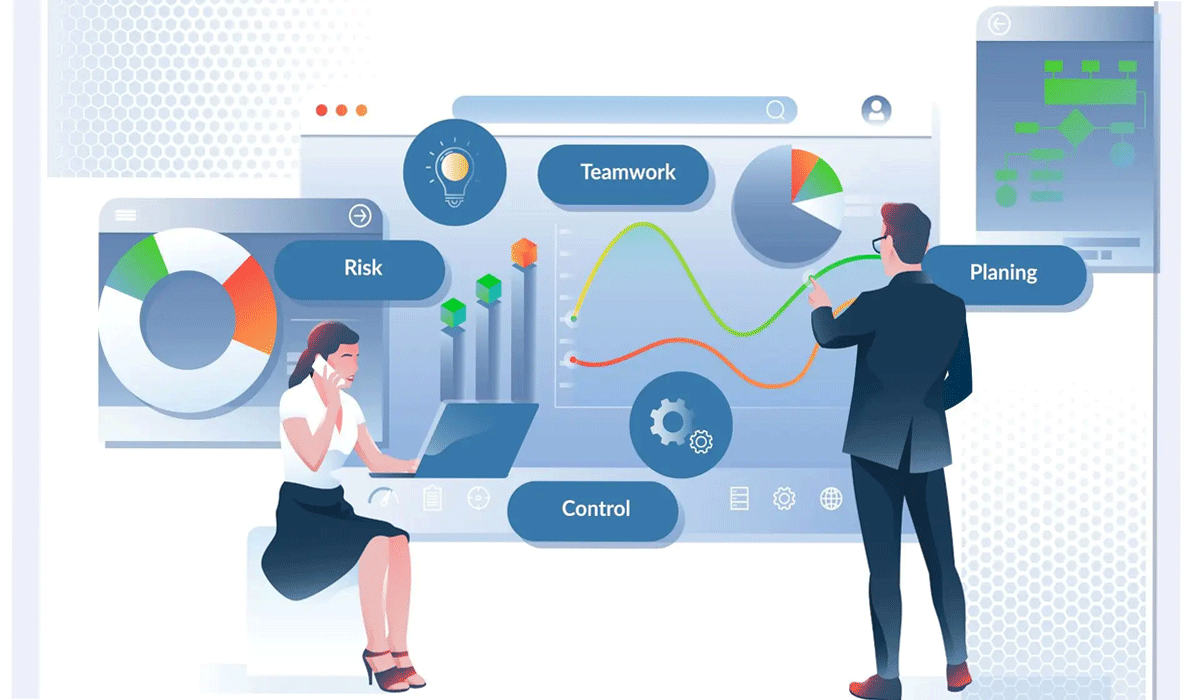


The Industrial Revolution 4.0 era has brought about major changes in the way humans work and interact with technology.

Digital transformation is at the heart of this revolution, bringing automation, connectivity, and smarter data analysis. Companies and individuals are required to adapt quickly to remain competitive. This article discusses Affordable Tech Insights how digital technology transformation is affecting industries, the benefits it brings, the challenges faced, and strategies to maximize opportunities in the digital era.
The Essence of Industrial Revolution 4.0 and Digital Transformation
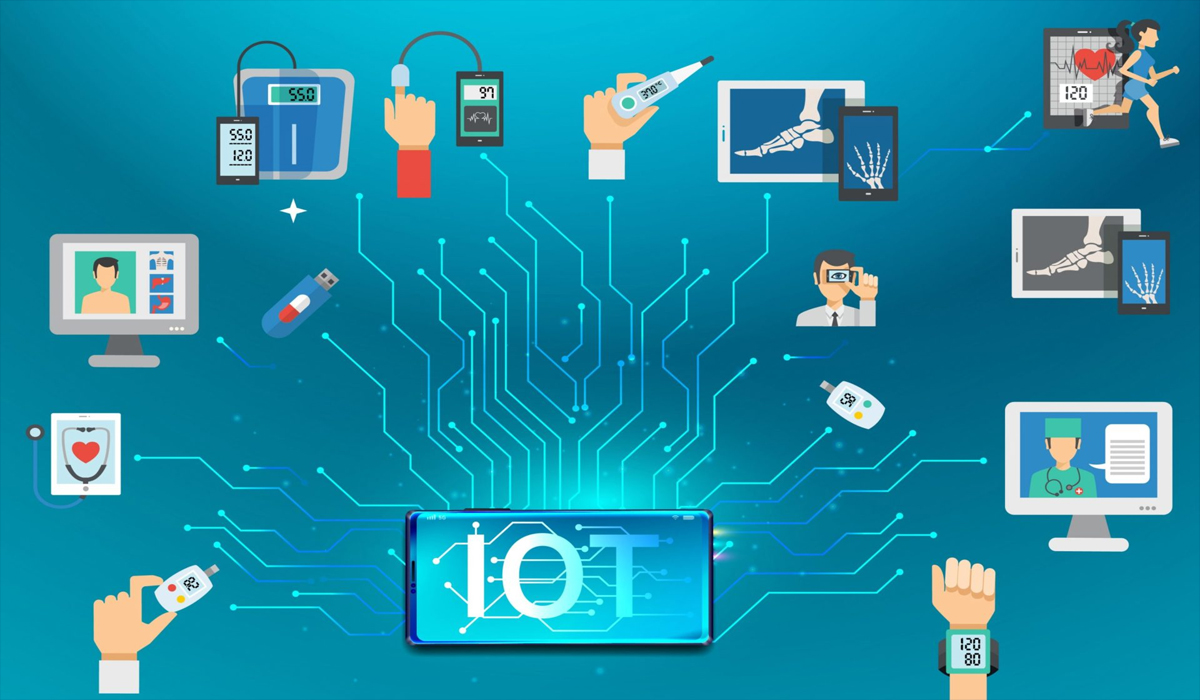
Industrial Revolution 4.0 is characterized by the integration of digital technology into production and business processes. The Internet of Things (IoT), artificial intelligence (AI), big data, and cloud computing are the main pillars of this change. Smart devices are now able to connect with each other and exchange information in real time.
This enables more efficient production processes, faster decision-making, and more personalized customer service. Furthermore, digital technology opens up opportunities for innovation in various sectors, from manufacturing and healthcare to transportation and education. These developments encourage companies to adopt modern technology to compete in an increasingly dynamic global market.
Benefits of Digital Transformation for Industry and Society
Digital transformation brings various significant benefits to both companies and society. From an industrial perspective, automation of work processes increases productivity and reduces human error. The use of data analytics allows for more accurate predictions of market trends and consumer needs.
This makes it easier for companies to make more informed strategic decisions. For the public, digital technology provides easier access to services, information, and communication. Daily activities become more efficient through smart applications, online services, and integrated transportation systems. This transformation also encourages the creation of new jobs, particularly in the fields of technology, data, and software development.
Read Also: Affordable Tech Revolution, Innovations Everyone Can Enjoy
Challenges in Adopting Digital Technology
Despite bringing many benefits, digital transformation is not without challenges. Companies often face high costs in implementing new technologies, the need for skilled human resources, and cybersecurity risks. Furthermore, changing work culture is essential for technology to be effectively integrated.
Employees need to be trained to understand new systems and adapt to different ways of working. For the public, the digital divide remains a problem, where not everyone has access to or the ability to utilize technology optimally. This challenge requires collaboration between government, industry, and education to create an inclusive digital ecosystem.
Strategies for Optimally Utilizing Digital Transformation
To face the Industry 4.0 era, an adaptation strategy is key. Companies need to develop a clear digital roadmap, identify processes that can be automated, and invest in relevant technology. Human resource training and development are also crucial for teams to operate and utilize technology effectively.
Furthermore, a focus on data security and privacy is crucial for maintaining consumer trust. At the individual level, improving digital literacy and technological skills can help navigate job changes and capitalize on new opportunities. Collaboration between various parties also strengthens innovation and facilitates adaptation to the dynamics of the digital industry.
Conclusion
The digital technological transformation of the Industrial Revolution 4.0 brings significant changes that impact the way we work, do business, and interact. By leveraging digital technology, companies can increase efficiency, productivity, and innovation. However, challenges such as cost, security, and the digital divide need to be addressed for this transformation to achieve maximum benefits.
Adaptation strategies, human resource training, and cross-sector collaboration are key to successfully navigating the digital era. The Industrial Revolution 4.0 is not just a technological shift, but also an opportunity to build a smarter. More efficient, and more inclusive industrial ecosystem.
Image Information Source:
First Image from: unair.ac.id
Second Image from: inilahjateng.com
