

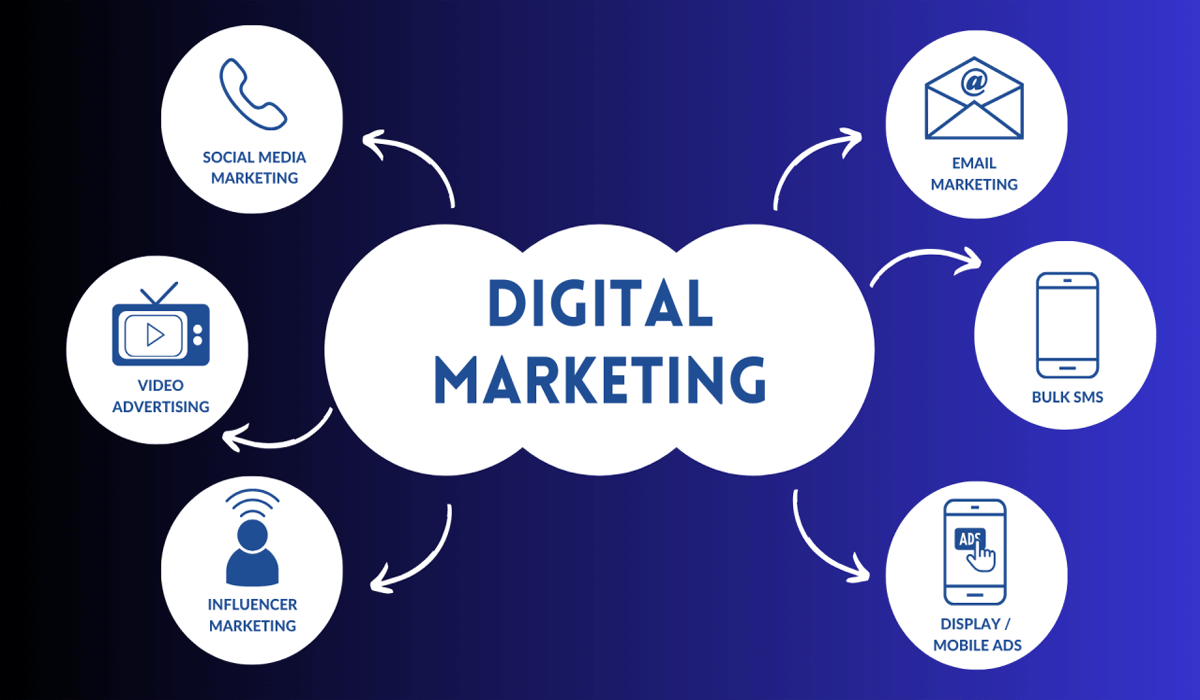





Social media has become an essential tool for small businesses looking to grow their audience, engage customers, and increase sales.

Unlike traditional marketing, social media allows direct interaction with potential clients and provides valuable insights into customer behavior. However, without a strategic approach, businesses may struggle to stand out among competitors.
Below, you can find the latest information about Affordable Tech Insights.
Understanding Your Audience
The first step in effective social media marketing is understanding your target audience, small businesses need to identify who their ideal customers are, what platforms they use, and what type of content resonates with them. Conducting surveys, analyzing competitors, and monitoring social media trends can provide valuable insights.
Knowing your audience allows businesses to tailor posts, advertisements, and engagement strategies for maximum impact. Content that aligns with customer interests encourages interaction, shares, and positive feedback.
Moreover, understanding the audience helps determine the tone and style of communication. Whether professional, casual, or humorous, consistency in messaging ensures that the brand voice is recognizable and trusted by followers.
Creating Engaging Content
High-quality and engaging content is critical to attract attention on social media. Small businesses should focus on visuals, such as photos, videos, and infographics, which are more likely to capture user interest. Storytelling and behind-the-scenes content can also humanize the brand and create emotional connections.
Interactive posts like polls, quizzes, and contests encourage active participation from followers. This not only increases engagement rates but also provides businesses with valuable feedback and insights.
Consistency is also key. Regular posting schedules help maintain visibility in followers’ feeds and reinforce brand awareness. By delivering valuable and engaging content, small businesses can foster loyalty and increase the likelihood of conversions.
Read Also: From Code To Apps: Software Evolution And The Future Of Technology
Utilizing Paid Advertising Wisely
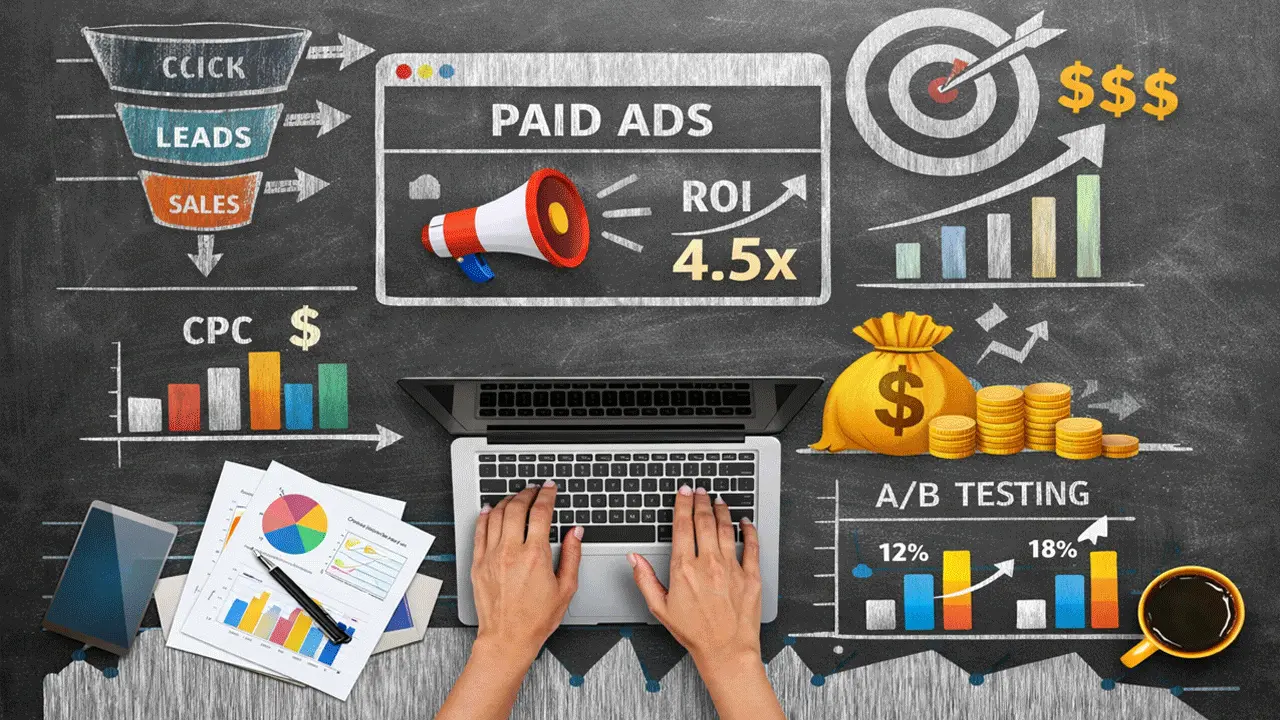
While organic reach is important, small businesses can significantly boost their results with paid social media advertising. Platforms such as Facebook, Instagram, and LinkedIn offer targeted ad options that allow precise audience segmentation based on demographics, interests, and behavior.
Starting with a small budget and testing different ad formats can help identify what works best for your business. Sponsored posts, carousel ads, and video promotions can drive traffic and increase visibility efficiently.
Monitoring ad performance and adjusting campaigns based on analytics ensures maximum return on investment. Paid advertising can complement organic strategies and accelerate growth when used strategically.
Engaging With Your Community
Social media is a two-way street. Engagement is more than posting content it involves responding to comments, messages, and mentions promptly, building relationships with followers creates a sense of community and trust.
Sharing user-generated content, featuring customer stories, or highlighting testimonials can strengthen the bond between the brand and its audience, engaged followers are more likely to become loyal customers and advocates.
Additionally, participating in relevant conversations and industry discussions can position the small business as an authority in its niche. Active engagement enhances visibility and demonstrates authenticity, which is critical for long-term success.
Measuring Performance And Adjusting Strategy
Tracking performance metrics is essential to determine the effectiveness of social media marketing efforts. Small businesses should monitor key indicators such as engagement rates, reach, clicks, conversions, and follower growth.
Analyzing data allows businesses to identify successful content, refine posting schedules, and optimize advertising strategies. Social media platforms provide built-in analytics tools that make it easier to track results and make informed decisions.
Adjusting strategies based on insights ensures continuous improvement. Businesses that regularly review performance and adapt accordingly are more likely to maintain growth and achieve their marketing objectives.
Conclusion
Effective social media marketing requires a combination of audience understanding, engaging content, smart advertising, community interaction, and performance analysis. Small businesses that implement these techniques strategically can increase visibility, build strong customer relationships, and drive sustainable growth.
By consistently evaluating results and adapting strategies, small businesses can maximize their social media presence and achieve meaningful marketing outcomes over time.
Image Source:
- First Image from: https://www.taboola.com/
- Second Image from: https://www.appier.com/