


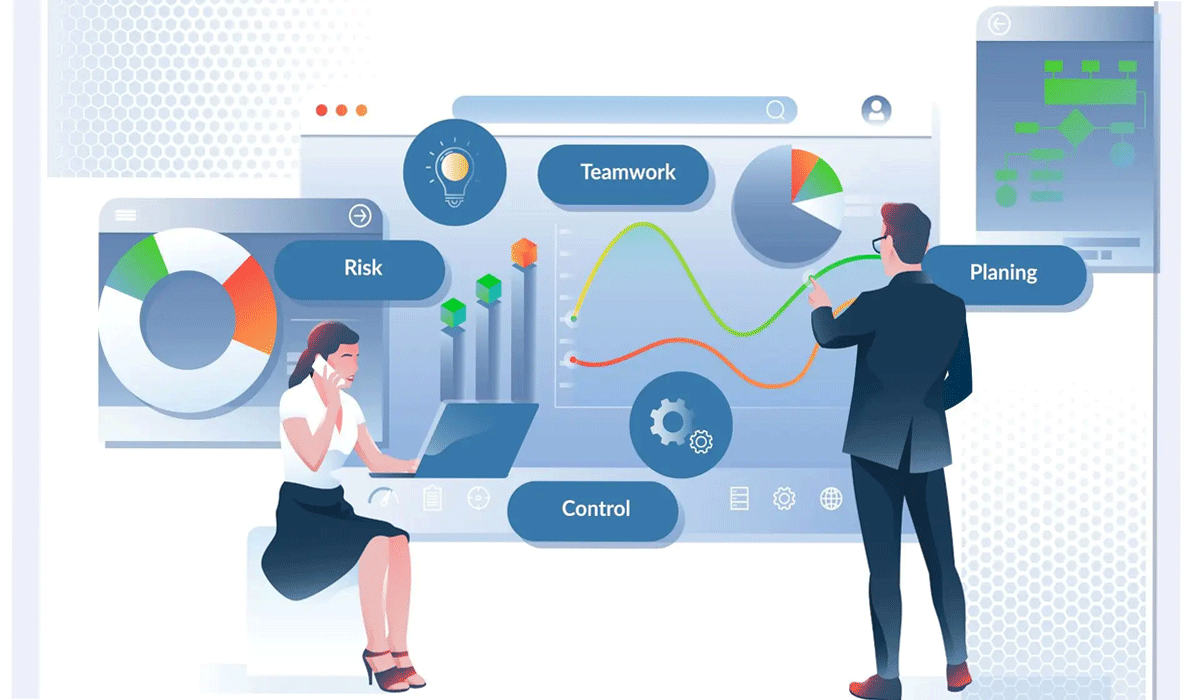


The future of business depends on innovation, digital transformation and sustainable strategies to stay competitive in a rapidly evolving global market.
The global business landscape is evolving at an unprecedented pace, shaped by technological breakthroughs, shifting consumer behavior, geopolitical uncertainty, and environmental urgency. Companies that once thrived on stability now operate in a world defined by constant disruption. In this environment, survival is no longer about size or legacy it is about adaptability, vision, and the willingness to transform.
Below, Affordable Tech Insights will provide some explanations regarding future of business: adapting to a rapidly changing global market.
Digital Transformation as a Strategic Imperative
Technology is no longer a support function; it is the backbone of modern business strategy. Artificial intelligence, automation, cloud computing, and data analytics are reshaping how organizations operate, compete, and deliver value. Companies that integrate digital tools into their core processes gain speed, efficiency, and deeper market insight, allowing them to respond to changes in real time.
However, digital transformation is not simply about adopting new software. It requires cultural change, leadership commitment, and continuous learning. Businesses must invest in digital literacy, encourage experimentation, and embrace innovation without fear of failure. Those who treat technology as a long-term strategic asset rather than a temporary upgrade position themselves ahead of competitors.
Agility in an Uncertain Global Economy
Global markets are increasingly volatile. Trade tensions, supply chain disruptions, inflationary pressures, and political instability can alter business conditions overnight. In this climate, rigid long-term planning models are giving way to agile strategies that emphasize flexibility and rapid decision-making.
Agile organizations build resilience by diversifying supply chains, leveraging local partnerships, and maintaining financial flexibility. They monitor global trends closely and adapt operations quickly when disruptions occur. Instead of reacting defensively, forward-thinking companies anticipate change and design systems that allow them to pivot efficiently without sacrificing stability.
Also Read: Future Of Clean Energy: Smart Solutions For A Greener Planet
Customer-Centric Innovation in the Digital Age
Consumer expectations are evolving just as rapidly as technology. Today’s customers demand personalization, transparency, convenience, and ethical responsibility from the brands they support. Businesses that fail to understand these expectations risk losing relevance in a crowded marketplace.
Successful companies place the customer at the center of innovation. They use data analytics to understand behavior, preferences, and emerging trends. More importantly, they listen actively through feedback channels, social engagement, and real-time analytics. By combining technological capability with genuine empathy, businesses create meaningful experiences that build loyalty and long-term value.
Sustainability as a Competitive Advantage
Sustainability is no longer a public relations initiative; it is a strategic necessity. Investors, regulators, and consumers are increasingly prioritizing environmental, social, and governance (ESG) performance. Companies that ignore sustainability face reputational risks and potential regulatory consequences.
On the other hand, organizations that embed sustainability into their core operations unlock new opportunities. Energy efficiency reduces costs, responsible sourcing strengthens brand trust, and sustainable innovation opens new markets. By aligning profitability with purpose, businesses not only contribute to global well-being but also secure their competitive position for the future.
Conclusion
The future of business belongs to those who embrace change rather than resist it. Digital transformation, strategic agility, customer-centric innovation, and sustainable practices are no longer optional they are fundamental pillars of long-term success. In a rapidly changing global market, adaptability is the ultimate currency. Companies that cultivate resilience, invest in innovation, and lead with vision will not merely survive the future they will shape it.
Image Source:
First Image from: rootlo.com
Second Image from: sidgs.com
