

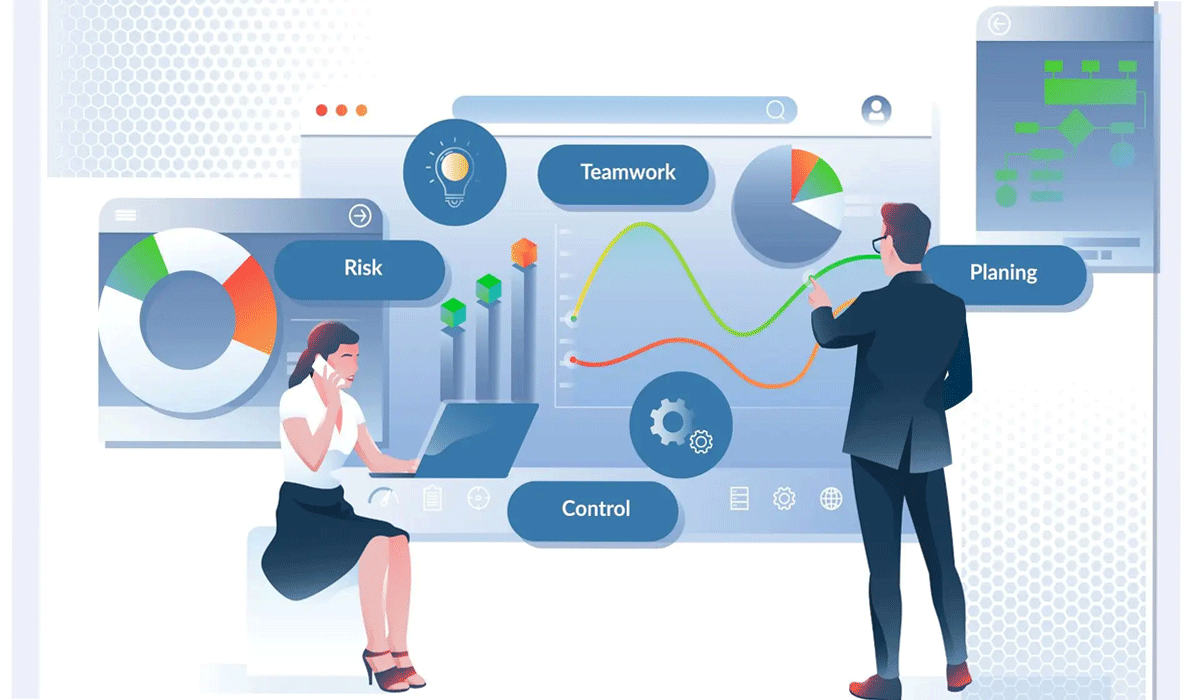
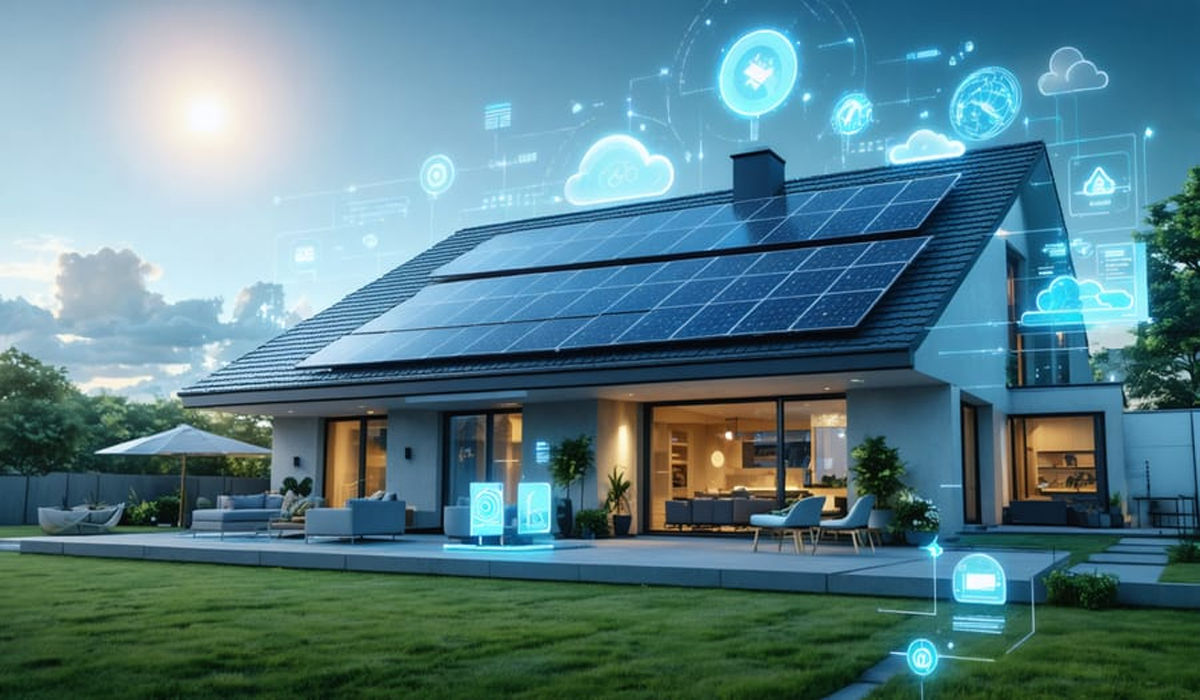

Smart clean energy solutions powered by AI and smart grids to create a sustainable future and reduce carbon emissions globally.
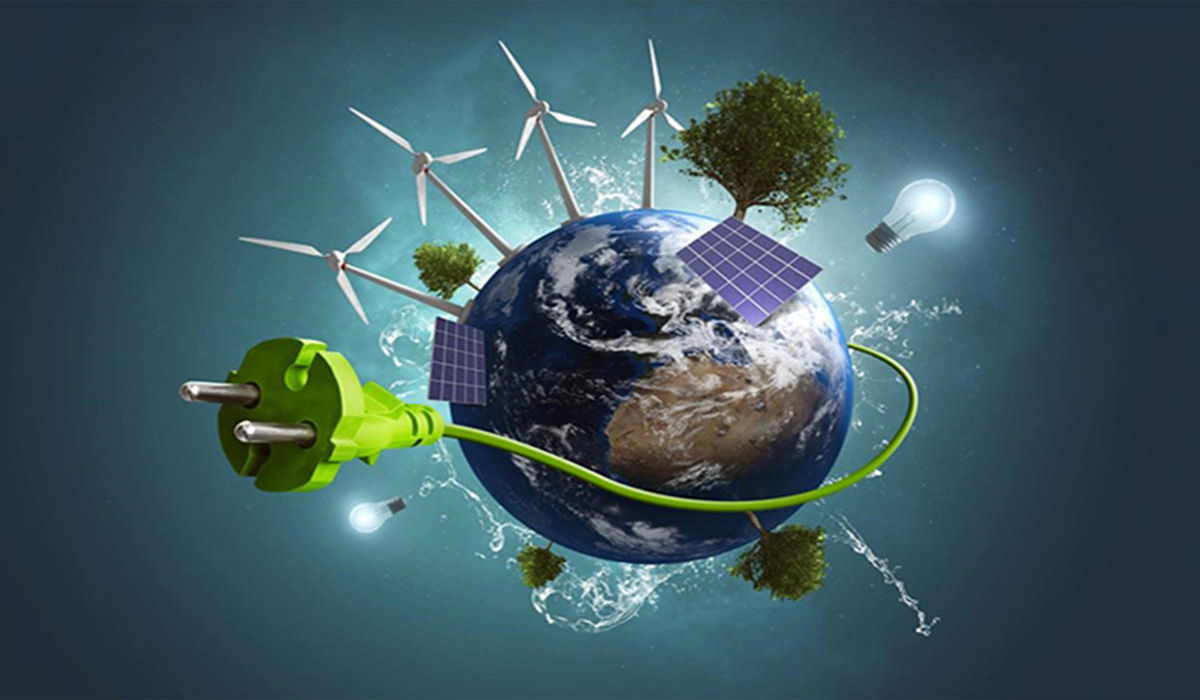
Solar panels, wind turbines, and battery storage systems are now equipped with smart monitoring tools that improve efficiency and performance. These technologies allow energy systems to collect real-time data, analyze production levels, and adjust operations automatically to maximize output.
Governments and private companies are investing heavily in smart grids and artificial intelligence to optimize renewable energy distribution. Smart sensors and automation reduce energy waste and enhance reliability. As innovation continues, clean energy systems become more adaptive, cost-effective, and accessible to communities worldwide.
Below, Clean Energy will provide some explanations regarding Reinventing Learning Systems for an Innovation-Driven Future.
Artificial Intelligence In Energy Management
Artificial intelligence plays a major role in transforming how clean energy is managed. AI systems can predict energy demand, detect maintenance issues, and improve power distribution. By analyzing large amounts of data, AI helps operators make informed decisions that reduce operational costs and improve system stability.
In addition, AI-powered platforms support smart homes and smart cities by controlling electricity usage efficiently. These systems automatically adjust lighting, heating, and appliance consumption based on real-time needs. The integration of AI with renewable energy creates a smarter infrastructure that supports sustainability and long-term environmental goals.
Smart Grids And Energy Storage Solutions
Smart grids are essential components of the future clean energy ecosystem. They enable two-way communication between energy producers and consumers, ensuring balanced electricity distribution. With digital monitoring tools, smart grids detect power fluctuations and respond quickly to prevent outages.
Energy storage technologies, such as advanced lithium batteries and large-scale storage facilities, also strengthen renewable energy reliability. Storage systems capture excess energy generated during peak production and release it when demand increases. This capability ensures consistent power supply and improves the overall efficiency of renewable resources.
Read Also: Smart Solar Technology: Optimizing Solar Energy In The Digital Age
Sustainable Impact On The Environment And Economy
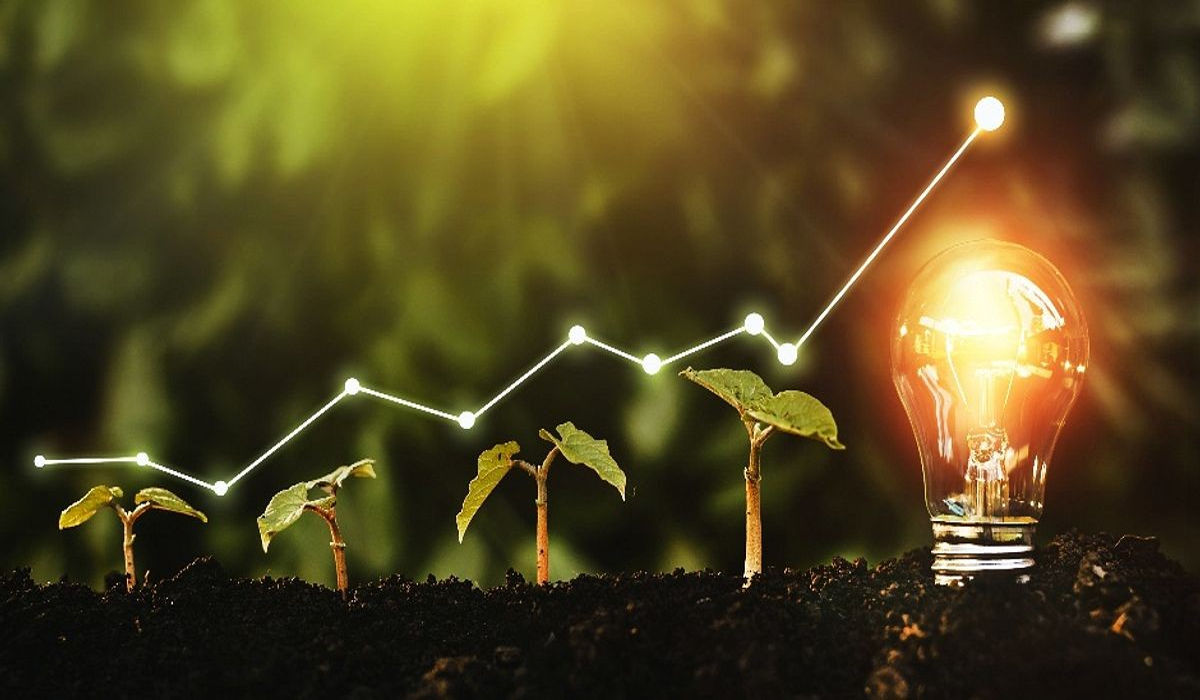
The development of smart clean energy solutions significantly reduces carbon emissions and dependence on fossil fuels. By increasing the efficiency of renewable systems, countries can lower greenhouse gas emissions and combat climate change more effectively. Clean technology also contributes to better air quality and healthier living conditions.
Economically, the growth of renewable energy industries creates new job opportunities and investment potential. Innovation in smart energy systems encourages technological development and global collaboration. As adoption expands, clean energy becomes not only an environmental solution but also a strong driver of economic progress.
Conclusion
The future of clean energy depends on smart innovation and technological integration. With artificial intelligence, smart grids, and advanced storage systems, renewable energy becomes more efficient and reliable. These solutions ensure better management of resources while supporting sustainable development worldwide.
At the same time, governments, businesses, and communities must work together to accelerate adoption. Continued investment and research will strengthen clean energy infrastructure and reduce environmental impact. By embracing smart solutions, the world moves closer to achieving a greener and more sustainable planet for future generations.
For the latest and most interesting related information, you can also click the TEACHING link.
Image Source:
First Image from alj.com
Second Image from linkedin.com

