


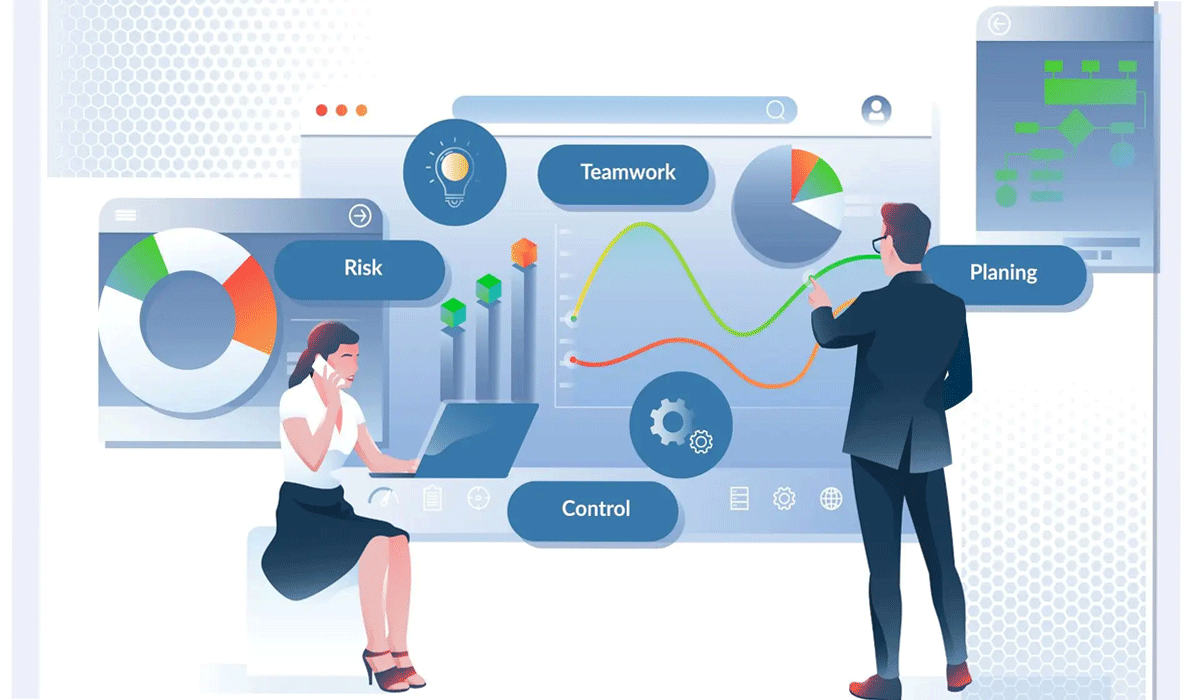


Discover how to choose the right software for limitless productivity, increase efficiency, simplify tasks, and achieve more in less time.
Below, TEACHING will provide some explanations regarding Reinventing Learning Systems for an Innovation-Driven Future.
Assess Your Requirements and Goals
Before making any purchase, take time to assess your requirements. Start by listing the tasks you perform daily, recurring projects, and areas where bottlenecks occur. Consider features like calendar integration, real-time collaboration, file sharing, reporting, and automation. Prioritizing your needs ensures that you select software that supports your workflow rather than one packed with unnecessary tools that may distract you. Remember, the best productivity software adapts to you, not the other way around.
It is also crucial to consider scalability. If your workload increases or your team expands, your software should handle growth without losing efficiency. Look for flexible pricing plans, cloud-based platforms, and mobile compatibility. Software that evolves with your needs saves both time and money in the long run, eliminating the need to constantly switch tools as demands change. Investing time upfront in proper assessment prevents future headaches and guarantees smoother productivity.
Evaluate Usability and Integration
Even the most feature-rich software fails if it’s difficult to use. User-friendly design and intuitive interfaces are critical factors that affect adoption and daily efficiency. Spend time testing demos, watching tutorials, and reading user reviews to gauge usability. Consider how much training is required and whether the software aligns with your preferred workflow style. A steep learning curve can hinder productivity, while a simple, intuitive platform enhances daily operations and reduces stress.
Integration capabilities are equally important. Your productivity software should seamlessly connect with other tools you rely on, such as email, cloud storage, or CRM systems. Compatibility ensures that information flows smoothly across platforms, eliminating redundant tasks and manual data transfers. By choosing software with strong integration options, you create a cohesive digital workspace that supports efficiency at every step.
Read Also: How to Choose the Perfect Software for Unstoppable Productivity
Consider Security and Support
In addition to functionality, security and support are vital when selecting productivity software. Handling sensitive data, client information, or project details requires a secure platform with reliable encryption and privacy measures. Research the software provider’s security policies, data storage practices, and compliance with industry standards. Knowing your data is safe allows you to focus on productivity without worrying about breaches or loss.
Equally important is customer support and community resources. Even the best software may encounter technical issues, and responsive support ensures minimal downtime. Look for platforms with active user communities, detailed documentation, and accessible support channels. Quality support provides peace of mind and allows you to resolve problems quickly, ensuring your productivity remains uninterrupted.
Make an Informed Decision and Test
After evaluating features, usability, integration, security, and support, it’s time to make an informed choice. Narrow your options to two or three tools that best align with your workflow. Many software providers offer free trials or limited versions take advantage of these opportunities to test real-world performance. During testing, pay attention to how the software improves your workflow, saves time, and simplifies tasks.
Finally, remember that productivity software is only as effective as your commitment to using it consistently. Once you select the right tool, invest time in customizing it to your workflow, learning shortcuts, and maintaining regular updates. By combining careful selection with disciplined use, you unlock the full potential of productivity software and achieve results that feel unstoppable.
For the latest and most interesting related information, you can also click the TEACHING link.
Image Source:
First Image from techincheep.com
Second Image from www.nec.com.au