






Indonesia is entering a pivotal chapter in its economic journey, recent optimism expressed by Finance Minister Purbaya Yudhi Sadewa.
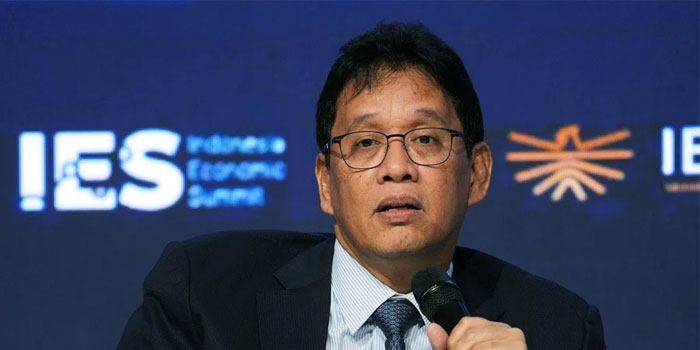
Captured the attention of business leaders, investors, and policymakers alike. The projection that Indonesia’s economic growth could approach 8 percent by 2029 is not just a bold number. It reflects confidence in structural reforms, demographic advantages, and Indonesia’s evolving role in the global economy. This outlook invites deeper discussion about what lies ahead and how businesses can position themselves for this potential expansion. Below, Affordable Tech Insights will explain further.
The Meaning Behind the 8 Percent Growth Vision
Economic growth approaching 8 percent would place Indonesia among the fastest growing major economies in the world. Such a rate signals more than higher GDP figures. It represents rising consumer spending, expanding industries, and stronger confidence in the domestic market. For businesses, this kind of growth environment often creates room for innovation, new investments, and long term planning with greater certainty.
This projection also reflects expectations that ongoing policy consistency will be maintained. Stable fiscal management, improved tax systems, and controlled inflation are all key assumptions behind the growth forecast. Without policy discipline, ambitious targets can easily lose credibility. The optimism therefore suggests trust in the government’s ability to stay on course while adapting to global challenges.
Structural Reforms as the Growth Engine
Indonesia’s growth ambitions are closely tied to structural reforms that have been unfolding over recent years. Simplification of business regulations, labor market adjustments, and infrastructure development are designed to make Indonesia more competitive. These reforms aim to reduce inefficiencies that have historically slowed investment and productivity.
For domestic businesses, structural reform can mean easier market entry and clearer compliance requirements. For foreign investors, it signals a more predictable environment with lower operational risks. When regulations align with business realities, capital flows more freely, and innovation accelerates across sectors.
Demographic Strength and Consumer Power
One of Indonesia’s greatest assets is its demographic profile. With a large and relatively young population, Indonesia has a growing workforce and an expanding consumer base. This demographic momentum supports sustained economic growth by fueling demand for housing, education, healthcare, technology, and lifestyle products.
As incomes rise, consumer preferences also evolve. Businesses that understand this shift toward quality, convenience, and digital experiences are better positioned to capture future demand. The projected growth rate assumes that this demographic dividend continues to translate into productivity gains rather than becoming a burden.
Investment Climate and Business Confidence
Optimism about future growth often feeds directly into business confidence. When companies believe that the economy will expand steadily, they are more willing to invest in capacity, talent, and technology. Indonesia’s ambition to reach near 8 percent growth sends a strong signal to both local entrepreneurs and global investors.
This confidence can be self reinforcing. Increased investment creates jobs, higher incomes stimulate consumption, and stronger demand encourages further investment. However, sustaining this cycle requires transparency, consistent enforcement of rules, and continued efforts to combat corruption. Trust remains a critical currency in the investment climate.
The Role of Digital Transformation
Digital transformation is another pillar supporting Indonesia’s growth outlook. The rapid adoption of digital payments, e commerce platforms, and online services has reshaped how businesses operate and how consumers interact with brands. This digital momentum increases efficiency and expands market reach, particularly for small and medium enterprises.
Technology also plays a role in improving government services and data driven policymaking. When digital systems enhance tax collection, logistics, and public service delivery, they contribute indirectly to economic growth. The growth projection assumes that digital innovation continues to spread beyond major cities into wider regions.
What This Outlook Means for Businesses
For businesses, the vision of near 8 percent growth by 2029 is both an opportunity and a call to prepare. Companies that invest early in talent development, digital capabilities, and sustainable practices can ride the wave of expansion more effectively. Growth periods often reward those who plan ahead rather than those who react late.
At the same time, competition will intensify as more players enter the market. Differentiation through quality, brand trust, and customer experience will become increasingly important. The optimistic outlook is not a guarantee of success for every business, but it creates a fertile environment for those ready to adapt.
Looking Toward 2029 With Strategic Confidence
Indonesia’s economic growth projection reflects confidence in long term fundamentals rather than short term excitement. Achieving near 8 percent growth will require discipline, collaboration between public and private sectors, and a shared commitment to inclusive development. For businesses, this period represents a chance to align strategies with national momentum.
As 2029 approaches, Indonesia’s story will be shaped by how effectively optimism is translated into action. If reforms continue, investments flow, and innovation thrives, the growth vision could become a defining milestone in Indonesia’s economic history.