


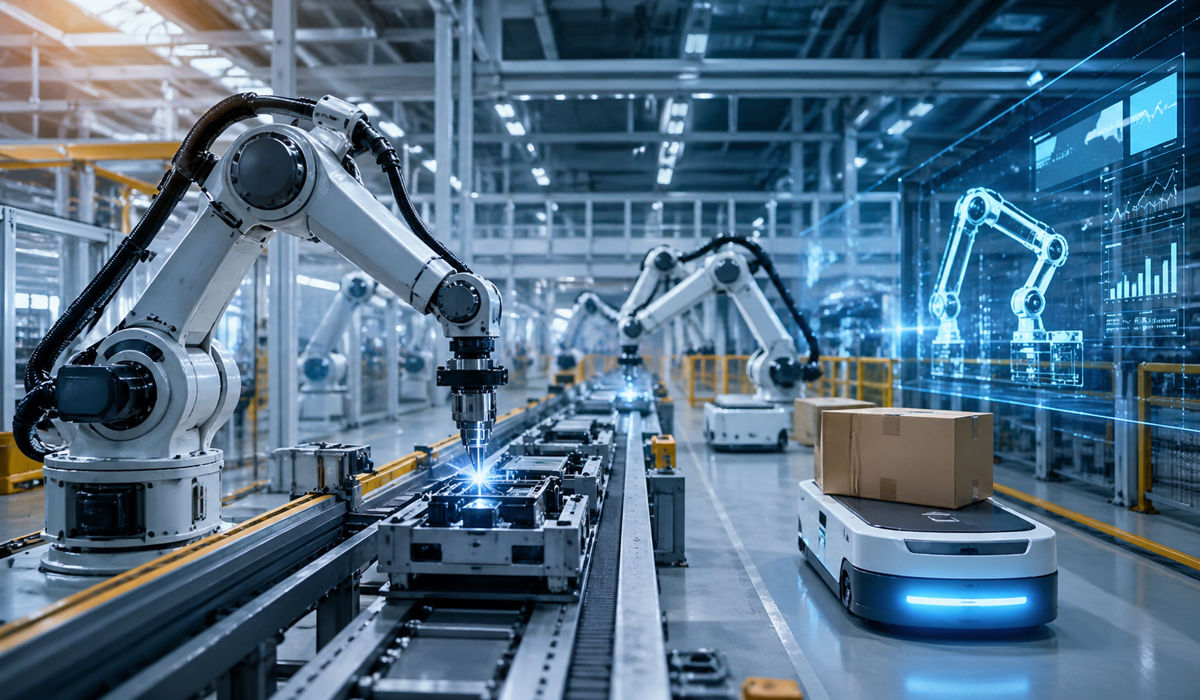




Robotics technology is bringing major changes to the world of industry 4.0, increasing efficiency and innovation in various sectors.

Robotic technology and its role are growing rapidly in Industry 4.0, changing production methods and efficiency. Next, Affordable Tech Insights will discuss the various positive impacts and challenges facing robotics technology in industry.
Robotic Technology for Production Efficiency
Robotics technology and its role in Industry 4.0 are crucial. Advanced robots are now used for a wide variety of tasks, from assembly and packaging to product quality control. These robots operate with high precision, significantly increasing production efficiency. In fact, their work speed is much faster than human labor. Furthermore, the use of robots also reduces errors in the production process.
In the automotive industry, for example, robotics technology has transformed the car assembly process. Robots can work non-stop, resulting in higher production volumes, faster production times, and higher precision. With robotics technology, manufacturing processes become more flexible and scalable. This is why robotics technology and its role are so important in the industrial world.
Challenges in Implementing Robotics Technology
Despite offering many benefits, implementing robotics technology in industry still faces challenges. One major issue is the high initial investment cost. Purchasing and installing robotics systems requires a significant budget. Furthermore, there are challenges in human resource training. Workers must be able to properly operate and maintain robots.
In some cases, workers fear job losses. Most companies need to retrain workers to adapt to new technologies. Implementing robots often requires significant changes to factory or production line designs. This, of course, requires significant time and expense. However, despite these challenges, robotic technology remains an option for many industries seeking growth.
Positive Impact of Robotic Technology on Products
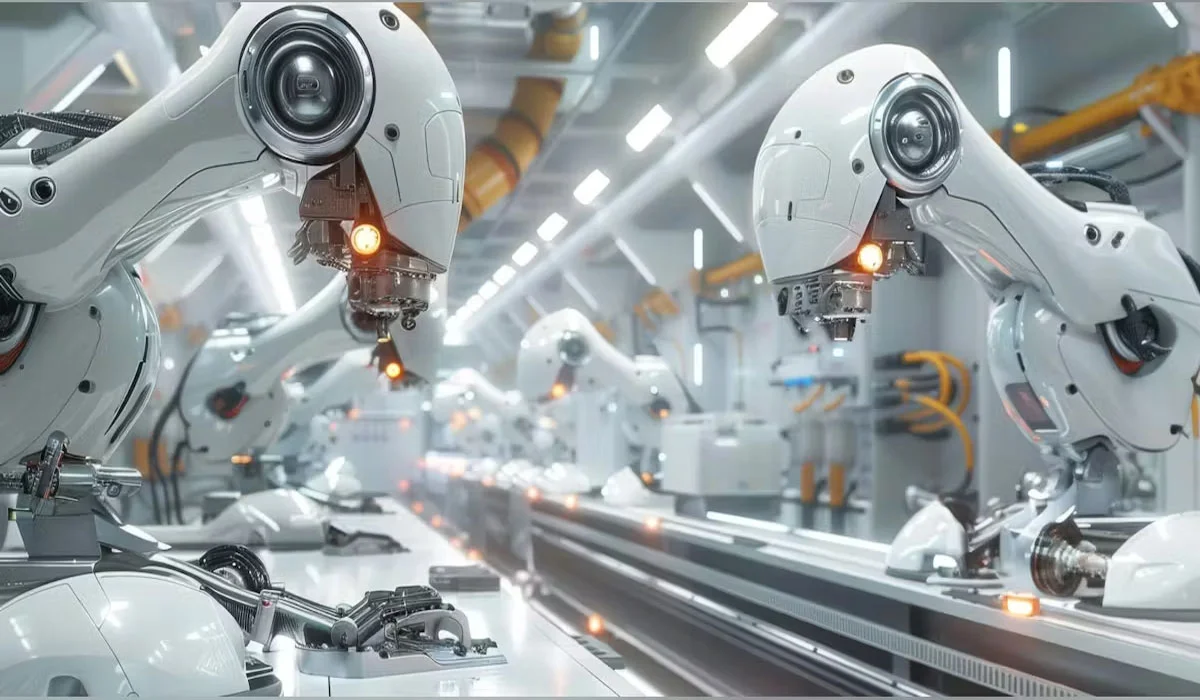
Besides efficiency, robotic technology plays a crucial role in improving product quality. Robots can produce products with consistent quality. They are unaffected by external factors such as fatigue or boredom. In the food and beverage sector, robots are used to ensure high hygiene standards. Robotic technology also enables more in-depth quality inspections.
With advanced visual analysis and sensor capabilities, robots can detect defects that may be invisible to the human eye. In the electronics industry, for example, robots are used to assemble components with extremely high precision. The resulting product quality is better maintained, and the possibility of errors is reduced. Robotic technology and its role in Industry 4.0 clearly play a role in creating better products.
The Role of Robotic Technology in Workplace Safety
Another major advantage of robotic technology is improved occupational safety. By using robots for hazardous tasks, the risk of worker injury can be reduced. In the manufacturing industry, for example, robots can be used to handle hazardous materials. Tasks involving chemicals or high temperatures can be performed by robots instead of humans.
This reduces worker exposure to potential hazards. Furthermore, robots also help minimize accidents caused by human error. By automating high-risk tasks, robotics technology ensures a safer work environment. Workers can focus on more creative and value-added tasks. Robotics technology and its role are increasingly important in creating a safer and more efficient work environment.
The Future of Robotics Technology in Industry 4.0
Robotics technology will continue to evolve and become more intelligent in the future. With the integration of artificial intelligence (AI), robots can learn and adapt to their environment. This opens up new opportunities for more advanced and flexible robotics applications. In the future, we may see more robots working alongside humans in safe environments.
Robotics will not only replace repetitive tasks but also assist in the decision-making process. The use of robotics technology in Industry 4.0 will expand, not only in the manufacturing sector but also in other sectors. With technological advancements, we can envision a more automated, efficient, and connected industrial world. Robotics technology and its role will be a key pillar of the future industrial revolution.
Image Source:
First Image from: sorarobotic.com
Second Image from: www.americanmachinist.com