

Solar energy has evolved far beyond traditional rooftop panels that simply convert sunlight into electricity.
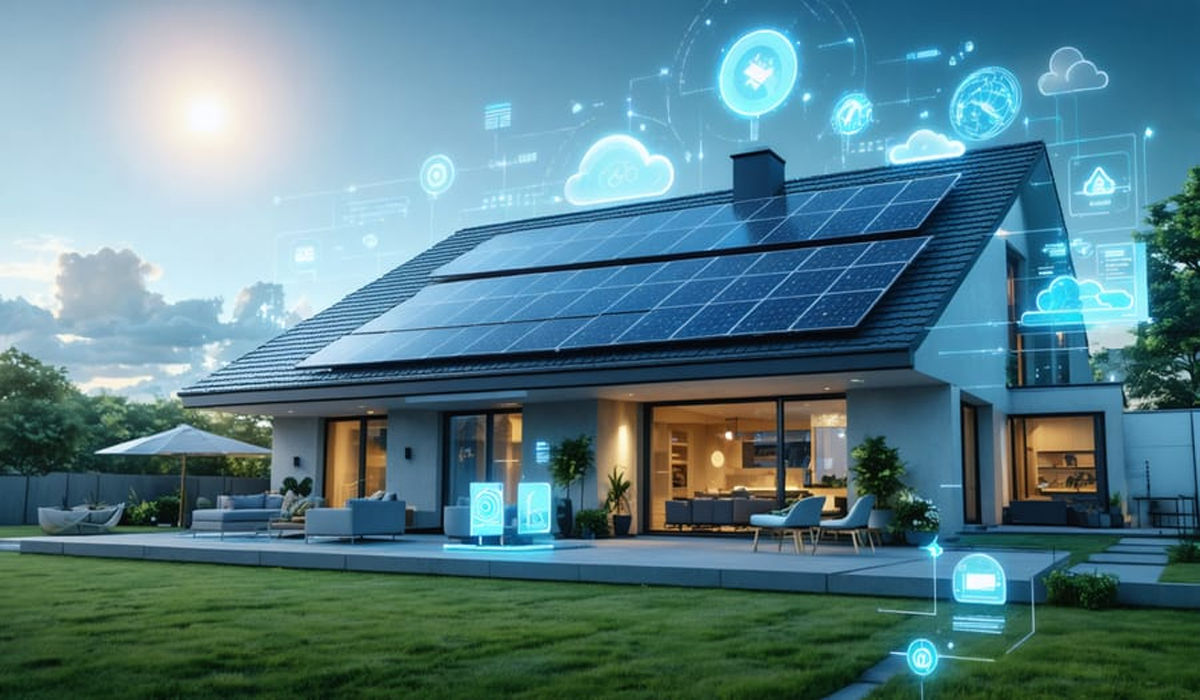
In the digital age, smart solar technology integrates advanced sensors, artificial intelligence, and real-time monitoring systems to maximize energy production and efficiency. Unlike conventional systems, smart solar solutions can automatically adjust performance based on weather conditions, energy demand, and grid requirements.
The growing demand for renewable energy, combined with rapid technological innovation, has accelerated the adoption of smart solar systems worldwide. Governments, businesses, and homeowners are increasingly investing in intelligent solar infrastructure to reduce carbon emissions and lower electricity costs.
Below, SOLAR TECH will provide some explanations regarding Reinventing Learning Systems for an Innovation-Driven Future.
Digital Monitoring And Real-Time Optimization
One of the defining features of smart solar technology is its ability to monitor performance in real time. Through cloud-based platforms and mobile applications, users can track energy production, consumption, and storage instantly. This level of transparency empowers users to make informed decisions about their energy usage, helping them identify inefficiencies and optimize consumption patterns.
Advanced analytics and machine learning algorithms further enhance system performance. By analyzing historical data and weather forecasts, smart systems can predict energy output and automatically adjust operations to maintain optimal efficiency. For example, in regions experiencing fluctuating sunlight, automated adjustments ensure consistent power delivery.
Integration With Smart Grids And Energy Storage
Smart solar technology does not operate in isolation it works seamlessly with smart grids and advanced energy storage solutions. Smart grids allow two-way communication between energy providers and consumers, ensuring a balanced and stable electricity supply. When solar panels generate excess power, it can be stored in batteries or fed back into the grid, contributing to overall energy stability. This interconnected system reduces energy waste and supports more resilient infrastructure.
Energy storage plays a crucial role in optimizing solar power in the digital era. Modern battery technologies enable households and businesses to store surplus energy for use during nighttime or cloudy periods. Intelligent energy management systems determine when to store, use, or sell electricity based on real-time pricing and demand. This flexibility not only enhances energy independence but also provides financial benefits to users who participate in grid-sharing programs.
Read Also: Tech Trends 2026, Smart, Affordable, And Accessible For Everyone!
Sustainability, Innovation And Future Prospects
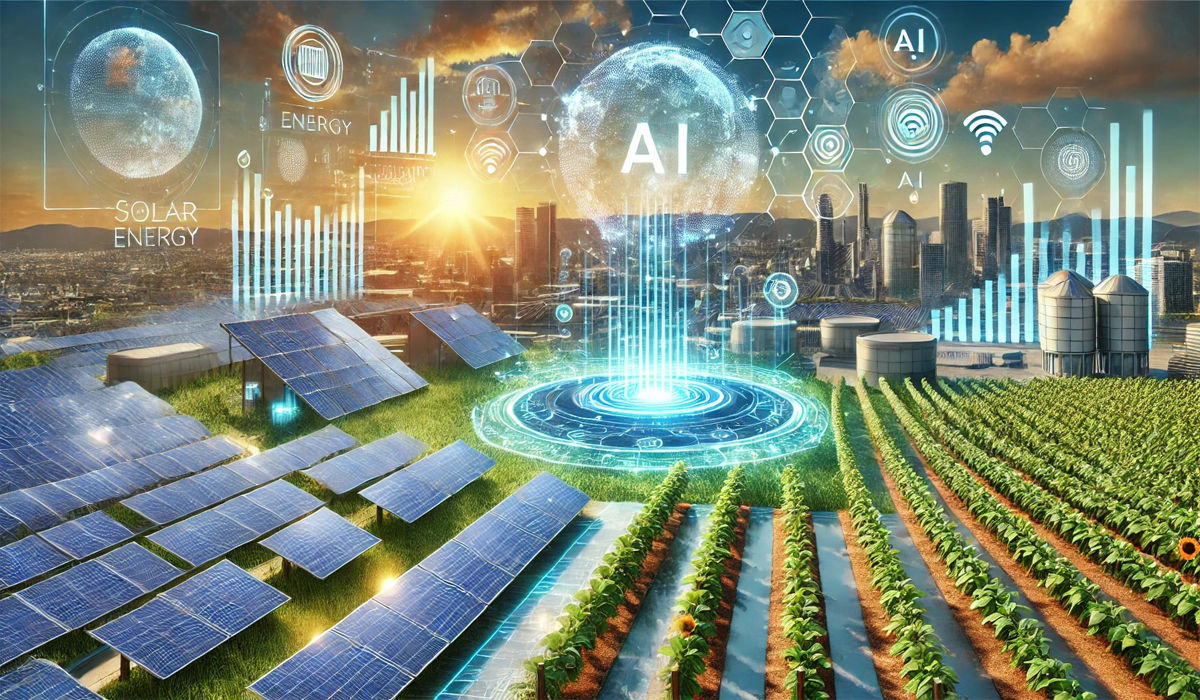
Smart solar technology significantly contributes to environmental sustainability. By maximizing renewable energy output and minimizing waste, it helps reduce reliance on fossil fuels and lowers greenhouse gas emissions. As climate change concerns intensify, the need for efficient and scalable clean energy solutions becomes increasingly urgent. Smart solar systems address this challenge by combining renewable power generation with digital precision.
Looking ahead, innovation in smart solar technology continues to accelerate. Developments such as AI-driven forecasting, blockchain-based energy trading, and Internet of Things (IoT) connectivity promise even greater efficiency and transparency. As costs decline and technology becomes more accessible, smart solar adoption is expected to expand globally.
Conclusion
Smart solar technology represents a major breakthrough in the evolution of renewable energy. By integrating digital monitoring, intelligent optimization, smart grids, and energy storage, it enhances the efficiency and reliability of solar power systems. This transformation not only supports environmental sustainability but also empowers users with greater control over their energy consumption and costs.
As the world continues its transition toward cleaner energy sources, smart solar solutions will play an increasingly vital role. Through continuous innovation and digital integration, solar energy can be optimized to meet growing global demands. In the digital age, smart solar technology stands as a powerful example of how technology and sustainability can work together to build a more resilient and environmentally responsible future.
For the latest and most interesting related information, you can also click the TEACHING link.
Image Source:
First Image from residentialsolarpanels.org
Second Image from mfsolar.com

