



Digital transformation has become a strategic priority for organizations across industries, redefining how they operate, innovate.
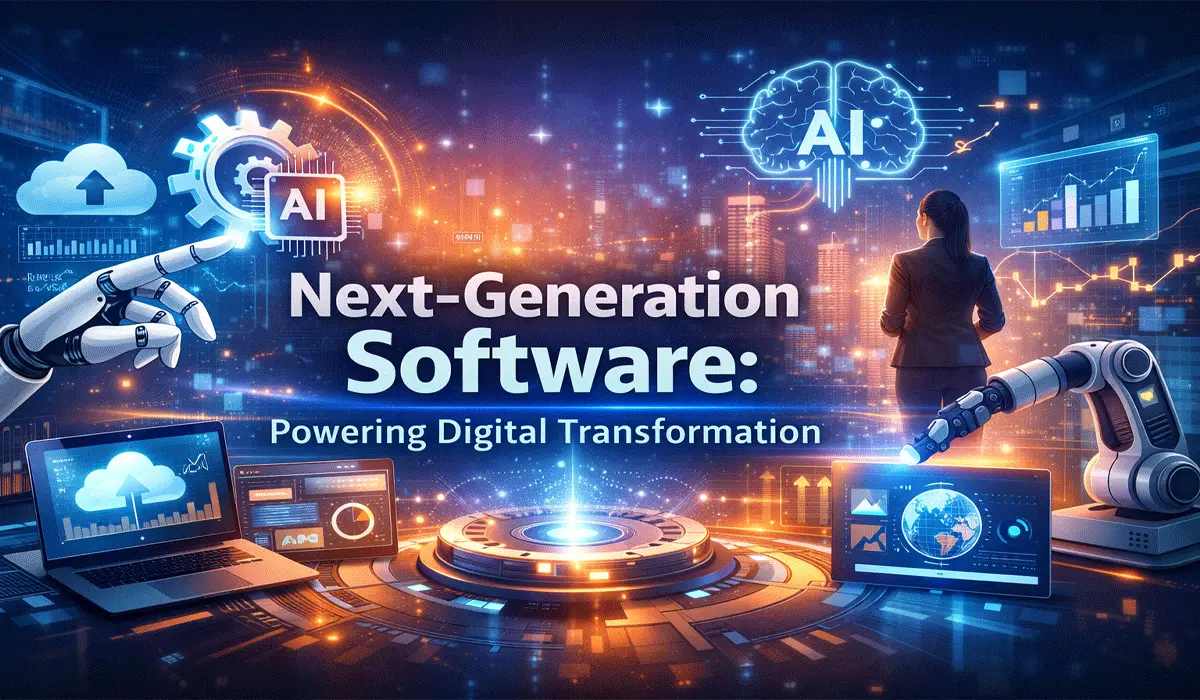
By combining advanced technologies, intelligent automation, and seamless data integration, modern software solutions enable organizations to operate more efficiently, adapt faster, and innovate continuously in an evolving digital landscape.
Watch and keep following the latest and most interesting information, only on Affordable Tech Insights.
From Traditional To Modern Software
Traditional software systems were often rigid, expensive to maintain, and difficult to scale. They relied on fixed infrastructures and required significant manual effort for updates and customization. As business needs evolved, these limitations became barriers to growth and innovation. Organizations needed solutions that could adapt quickly without disrupting operations.
Next-generation software addresses these challenges by adopting modular architectures and cloud-based environments. This approach allows systems to be updated continuously, ensuring they remain relevant and secure. Businesses can add or modify features without overhauling entire systems, reducing downtime and operational costs.
This evolution has also shifted the focus from static tools to dynamic ecosystems. Modern software is designed to integrate seamlessly with other technologies, creating connected environments that support collaboration, automation, and real-time insights.
Data-Driven Decision Making
Cloud technology is a cornerstone of next-generation software. By moving systems to the cloud, organizations gain access to scalable resources that adjust to demand. This flexibility eliminates the need for heavy upfront investments in infrastructure while enabling rapid deployment of new solutions.
Cloud-based software also supports remote access and collaboration, which has become essential in today’s distributed work environments. Teams can work from anywhere while maintaining secure access to data and applications. This accessibility improves productivity and supports more agile workflows.
Additionally, cloud platforms enhance reliability and data protection. Automatic backups, disaster recovery features, and advanced security protocols help organizations safeguard critical information while maintaining operational continuity.
Read Also: Business Financial Management, Tips To Avoid Bankruptcy
Automation And Artificial Intelligence

Automation is a key driver of digital transformation. Next-generation software leverages automation to reduce repetitive tasks, minimize errors, and free employees to focus on strategic work. Processes such as data entry, reporting, and system monitoring can be handled efficiently with minimal human intervention.
Artificial intelligence further enhances these capabilities by enabling predictive and adaptive systems. AI-powered software can analyze patterns, forecast trends, and provide actionable recommendations. This allows organizations to make informed decisions based on real-time data rather than intuition alone.
As automation and AI continue to evolve, software becomes more intelligent and responsive. These technologies help organizations optimize performance, improve accuracy, and deliver personalized experiences at scale.
Data-Driven Decision Making
Modern software places data at the center of digital transformation. Next-generation systems are designed to collect, process, and analyze large volumes of data in real time. This capability enables organizations to gain deeper insights into operations, customer behavior, and market trends.
Advanced analytics tools transform raw data into meaningful information that supports strategic planning. Decision-makers can monitor key performance indicators, identify opportunities, and address challenges more effectively. This data-driven approach improves transparency and accountability across the organization.
By leveraging real-time insights, businesses can respond quickly to changes and continuously refine their strategies. Data becomes not just a resource, but a competitive advantage.
Scalability And Future Readiness
One of the defining features of next-generation software is scalability. As organizations grow or face changing demands, modern systems can expand seamlessly without compromising performance. This scalability ensures that technology supports long-term goals rather than limiting them.
Future readiness is equally important. Next-generation software is built with adaptability in mind, allowing organizations to integrate emerging technologies as they become available. This flexibility reduces the risk of obsolescence and ensures continuous innovation.
By investing in scalable and adaptable software, organizations position themselves to thrive in an evolving digital landscape. Technology becomes a catalyst for growth rather than a constraint.
Conclusion
Next-generation software plays a critical role in powering digital transformation. Through cloud computing, automation, artificial intelligence, and data-driven insights, modern software enables organizations to operate more efficiently and respond to change with confidence. It transforms technology from a supporting function into a strategic asset.
As digital transformation continues to shape the future of business, organizations that embrace next-generation software will be better equipped to innovate, scale, and compete. By adopting flexible, intelligent, and future-ready solutions, businesses can unlock new opportunities and drive sustainable growth in the digital era.
Thank you for reading this article, I hope it is useful and don’t forget to come back again by clicking this link Affordable Tech Insights.
Image Source:
- First Image from: https://techincheep.com/
- Second Image from: https://techincheep.com/